
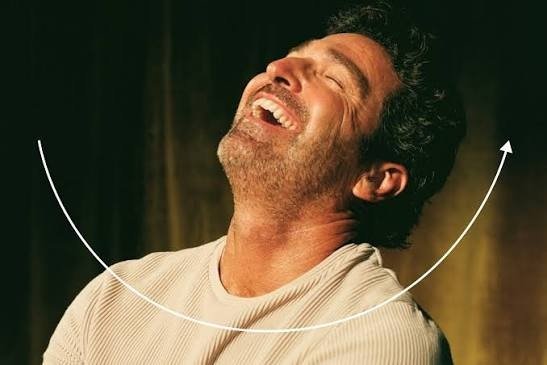
Why Happiness Peaks Later Than You Think
Here’s what most people get wrong. They treat happiness like a sprint; something you grab hard in your twenties, when everything still feels wide open. That assumption crumbles under scrutiny. Life satisfaction follows a trajectory that catches most people completely off guard, contradicting the whole “youth is golden” mythology. Understanding it might genuinely reshape how you set your priorities.
The Happiness Curve Explained
Happiness isn’t linear. It dips… hard. Researchers describe a U-shaped curve, a valley carved right through the middle of life. Early twenties bring relatively high satisfaction; responsibilities are light, the future feels negotiable. Then the late twenties hit. Then the thirties. The floor starts dropping. Career pressure mounts, financial obligations stack up, family demands multiply. Worst of all, the gap between the life you imagined and the one you’re actually living starts to widen, sometimes painfully wide.
That dip is measurable. It shows up across wildly different cultures and populations. Forties and early fifties? Those years reliably register lower satisfaction than both the younger decades and the post-sixty stretch that follows. The middle-age squeeze is no myth; career demands at their peak, children needing you, aging parents needing you, complicated relationships needing you, all simultaneously. Optimism collides with complexity. Something has to give, and it’s usually happiness.
Why the Middle Years Feel So Difficult
Midlife carries a specific kind of pressure. You’re often propping up multiple generations at once: financially, emotionally, logistically. Career demands hit their ceiling precisely when personal time has nearly vanished. And underneath all of it runs a quiet, persistent disappointment: the life you’re living versus the one you once pictured for yourself.
Physical changes arrive uninvited, too. Energy drops. Health concerns surface more frequently. The unshakeable confidence of youth gives way to something more sober: a real awareness of mortality, of limits, of time accelerating. Stack that psychological weight on top of already stretched resources and you get a convergence of stressors that reliably tanks wellbeing scores. Your forties and fifties mean managing demands from every direction while your own body and sense of capability quietly shift beneath you.
The Turning Point in Your Sixties and Beyond
Then, somewhere around fifty-five or sixty, things turn. Happiness climbs again. Multiple studies across different demographic groups document this consistently. Why? Several things happen at roughly the same time. Kids become more independent. Careers stabilize or wind down. Savings accumulate. The relentless practical pressures of midlife begin slowly, genuinely, to lift.
But the deeper shift is psychological. People develop what researchers call emotional wisdom: a sharper, lived-in sense of what actually matters. Less energy gets burned on comparison or chasing external approval. Relationships become deliberate rather than obligatory; time with people you love carries more weight because, honestly, you understand it won’t last forever. For families navigating cognitive changes alongside these emotional shifts, GLOW℠ Memory Care in Rock Hill, SC provides dedicated support designed to preserve dignity and quality of life during this stage.
Reframing Your Relationship With Aging
If happiness tends to peak in the sixties and beyond, that should force a real rethink of how we see later life. Not decline. Not diminishment. Flourishing, the kind only decades of actual living can produce. You’ve watched trends rise and collapse. Relationships evolve, priorities clarify, illusions drop away. That perspective can’t be downloaded or shortcut. It’s earned, slowly.
So the brutal middle years? Not a dead end. An investment. The grinding forties and fifties lay groundwork for something genuinely better ahead. Recognizing that bigger arc makes intentional choices easier: relationships over status, health over hustle, presence over performance. You’re building toward something real.
Building Happiness Intentionally in Your Middle Years
Midlife is exactly when deliberate effort matters most. Not forced positivity, that’s useless. Real, values-driven choices. Many people find that loosening their grip on external markers of success (income, titles, professional prestige) actually improves daily wellbeing even while the stress itself hasn’t budged. Small redirections of attention and time add up faster than you’d expect.
Relationships deserve more of that redirected attention. Even brief, consistent time with close friends or family produces measurable effects on both happiness and health. Sleep, movement, whatever stress-management practice you’ll actually stick to, these aren’t luxuries during demanding years. They’re infrastructure. And simplifying where possible, saying no to obligations that conflict with what you genuinely value, carving out space for things that bring real satisfaction, all of it changes how the middle years feel from the inside.
Conclusion
Happiness doesn’t peak in youth. That’s the short version. Life satisfaction dips through the middle decades, ground down by competing demands, the collision of youthful dreams with adult reality, and the physical shifts aging brings. Then it rises again. The resurgence in the sixties and beyond isn’t accidental; it reflects genuine psychological and practical changes that only time and accumulated wisdom can produce. Understanding this arc makes the hard middle years more navigable. It points toward wiser investments in relationships, in health, in what actually matters. The peak isn’t behind you. It’s still coming.