The Shift Toward Asset Longevity in Commercial Real Estate
Commercial real estate portfolios face unprecedented economic and structural pressures that render traditional asset management strategies obsolete. Property owners can no longer rely on short-term fixes and recurring patches for legacy material upkeep.
Modern commercial property management demands a definitive pivot toward structural resilience and low-maintenance upgrades. Deferred maintenance creates compounding expenses that steadily erode profit margins and suppress overall property valuation.
Upgrading foundational infrastructure has therefore transitioned from a routine capital expenditure into a critical wealth-preservation strategy. Forward-thinking asset managers are actively replacing decaying legacy assets with engineered solutions designed for decades of peak performance.
Modernizing Waterfront and Exterior Commercial Assets
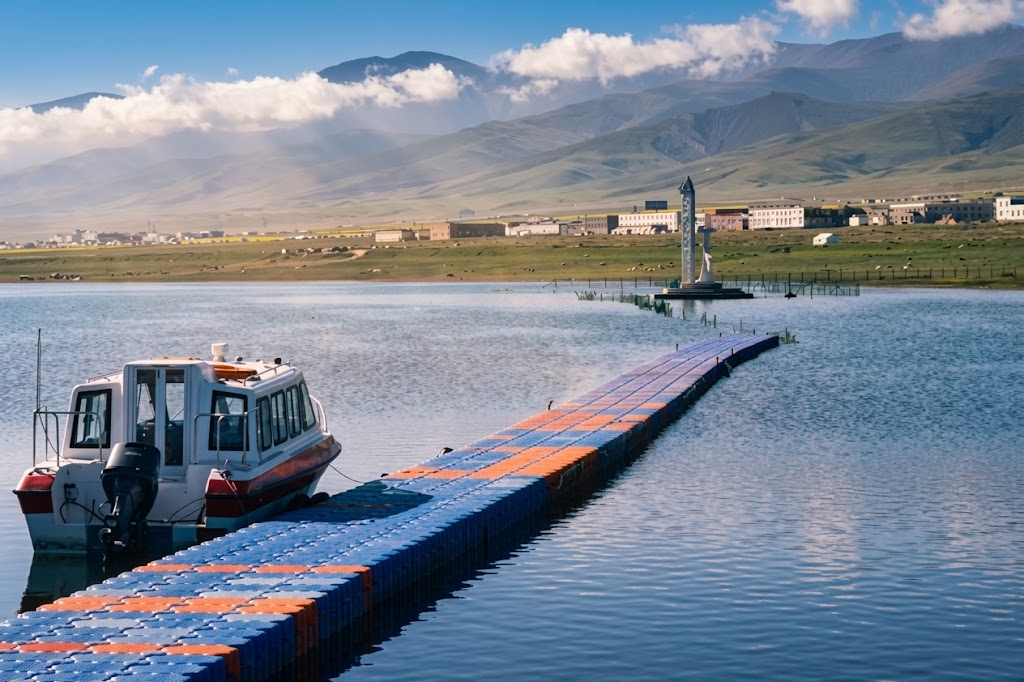
When scaling or upgrading heavy-use exterior facilities, asset managers increasingly pivot toward specialized engineering frameworks rather than traditional timber or poured concrete. For instance, high-density polyethylene systems pioneered by industry manufacturers like Hisea Dock demonstrate how modular plastic floating dock systems can deliver exceptional load-bearing resilience while remaining entirely immune to rust, splintering, and chemical marine wear.
This materials-first evolution allows businesses to optimize waterfront utilization without incurring the massive downtime traditionally associated with concrete pours or heavy pile-driving. By integrating prefabricated, high-performance exterior assets, commercial properties instantly elevate their functional capacity and aesthetic appeal.
Reducing Lifecycle Costs Through Advanced Material Science
Exterior commercial assets endure punishing environmental conditions that accelerate structural decay. Advanced material science solves these vulnerabilities at the molecular level.
- Corrosion Immunity: Modern high-density polymers do not oxidize, rust, or degrade when continuously exposed to saltwater, humidity, or heavy industrial runoff.
- Chemical and UV Resistance: Specialized stabilizing agents prevent ultraviolet breakdown, cracking, and structural weakening under intense, prolonged sunlight.
- Eradication of Biological Decay: Unlike timber, advanced composite and polymer structures offer zero organic nutrients, rendering them completely immune to wood-boring marine organisms and rot.
- Enhanced Surface Safety: Textured, slip-resistant manufacturing profiles minimize liability risks across high-traffic pedestrian zones and marine pathways.
Scalability and Flexible Space Utilization
Rigid, permanent construction limits a property’s ability to pivot alongside changing market demands or seasonal tenant requirements. Agile business operations require adaptive structural frameworks.
- Rapid Modular Deployment: Prefabricated components lock together systematically, allowing facilities teams to expand or reconfigure layouts in hours rather than weeks.
- Zero Heavy Construction Downtime: Modifications happen cleanly without disruptive pile-driving, heavy dredging, or noisy industrial machinery halting daily business operations.
- Multi-Purpose Configuration: Modular staging zones easily adapt to accommodate diverse loads, ranging from recreational watercraft traffic to heavy commercial equipment platforms.
- Asset Portability: If property boundaries change or tenant needs shift, modular systems can be disassembled, relocated, and reassembled with near-total material recovery.
Technology and Sustainability Integration in Property Management
Modern commercial real estate value is increasingly tied to environmental efficiency and smart automation. Integrating green technology into everyday operations is no longer optional for maintaining competitive asset valuations.
Forward-looking portfolios are incorporating automated utility grids, energy-efficient LED exterior fixtures, and eco-conscious construction materials to slash overhead costs. Utilizing non-toxic, sustainable materials aligns properties with modern commercial real estate trends focused on reducing long-term carbon footprints.
- Automated Monitoring: Smart sensors track structural load, utility flow, and surface wear in real time, shifting maintenance from reactive repairs to predictive care.
- Eco-Friendly Compliance: Inert building materials eliminate chemical leaching into surrounding soil and aquatic habitats, satisfying stringent regional environmental audits.
- Energy Optimization: Integrating solar-powered dock lighting and smart utility metering significantly lowers monthly common area utility expenditures.
The Financial Imperative: Maximizing Capital ROI on Infrastructure Upgrades
Capital allocation strategies over a 10-to-15-year horizon dictate the long-term profitability of commercial real estate. Evaluating initial project outlays requires looking past upfront invoice totals to calculate the true Total Cost of Ownership (TCO).
Traditional materials demand continuous financial injections for painting, sealing, structural shoring, and emergency storm repairs. Upgrading to engineered, low-maintenance alternatives eliminates these chronic line items, freeing up capital for core business expansion.
Strategic capital allocation requires aligning property upgrades with overarching economic and structural resilience benchmarks. According to the infrastructure investment guidelines published by the U.S. Small Business Administration, incorporating durable, low-maintenance materials significantly minimizes recurring overhead and preserves long-term asset collateral value.
Key Takeaways
| Area | Key Takeaway | Impact/Data |
| Material | Deploy modular HDPE systems | Immune to rust and rot |
| Lifecycle | Eliminate recurring maintenance | Drastic TCO reduction over 10–15 years |
| Agility | Reconfigure layouts rapidly | Installation in hours vs weeks |
| Compliance | Utilize inert building materials | Zero toxic chemical leaching |
Conclusion: Future-Proofing Business Real Estate Portfolios
Navigating competitive real estate markets requires treating infrastructure as a dynamic driver of operational efficiency rather than a static cost center. Proactively replacing decaying legacy assets protects long-term profit margins against escalating labor and material inflation.
Embracing advanced material science and modular flexibility ensures commercial properties remain resilient, compliant, and attractive to high-value tenants. Future-proofing your business real estate portfolio today guarantees operational continuity and sustained asset appreciation for decades to come.