Best Induction Hob: A Practical Guide for Everyday Cooking
Induction hobs have become a common choice in many kitchens. They offer a balance of speed, control, and safety that suits both daily meal preparation and more involved cooking. If you are looking for the best induction hob, understanding what sets strong options apart helps you pick one that fits your needs and lasts.
How Induction Hobs Work
A best induction hob generates heat directly in the cookware rather than heating the surface first. Under the flat glass top sits a copper coil. When you turn on a zone and place compatible cookware on it, an electromagnetic field forms. This field creates currents in the metal base of the pan, which produces heat.
The surface itself stays mostly cool because heat comes from the pan, not the hob. A fan inside helps manage temperature during use. This direct method explains why induction hobs heat quickly and respond fast when you adjust settings.
Compatible cookware must contain enough iron for the magnetic field to work. A simple test uses a magnet: if it sticks to the base, the pan works on induction. Stainless steel, cast iron, and many carbon steel options qualify. Some aluminum or copper pans have induction-ready bases.
Key Benefits of Induction Hobs
Induction cooking delivers several practical advantages over gas or traditional electric hobs.
- Speed: Many models bring water to a boil noticeably faster than gas or radiant electric. Tests often show 2 to 4 minutes saved for a typical volume of water.
- Precise control: You can adjust power in small steps and see quick changes in the pan. This helps with simmering, melting, or searing without overshooting temperatures.
- Energy efficiency: Heat goes straight into the cookware with less waste. Reports indicate induction uses energy more effectively than gas or standard electric cooktops.
- Safety: The hob surface does not get as hot as gas flames or radiant elements. Many models include pan detection, auto shut-off, child locks, and residual heat indicators.
- Ease of cleaning: The smooth glass surface wipes down easily. Spills do not burn onto the hob because the area around the pan stays cooler.
These points make induction hobs useful for households that value consistent results and straightforward maintenance.
What to Look for in the Best Induction Hob
Choosing the right model depends on your kitchen size, cooking habits, and budget. Here are the main points to review.
Size and zones
60cm models with four zones suit most standard kitchens. Larger 80cm or wider options provide extra space or flexible zones that combine for bigger pans or griddles. Consider how many items you cook at once.
Power and performance
Look for models with adequate maximum power and multiple levels for fine control. Features such as boost functions help with rapid heating, while stable low settings support simmering. Real-world tests of boiling time, temperature recovery, and even heating provide clearer guidance than wattage numbers alone.
Controls and usability
Touch controls or sliders should respond well and allow easy adjustments. Timers, automatic programs for common tasks, and clear displays add convenience. Some models let you link zones for larger cookware.
Safety and practical features
Pan detection, overheat protection, and child locks matter for daily use. Residual heat warnings remind you the surface may still be warm after cooking.
Build and cleaning
A quality glass surface resists scratches and marks. Flat or minimal-gap designs simplify wiping. Matte finishes in some models show fewer fingerprints.
Portable options
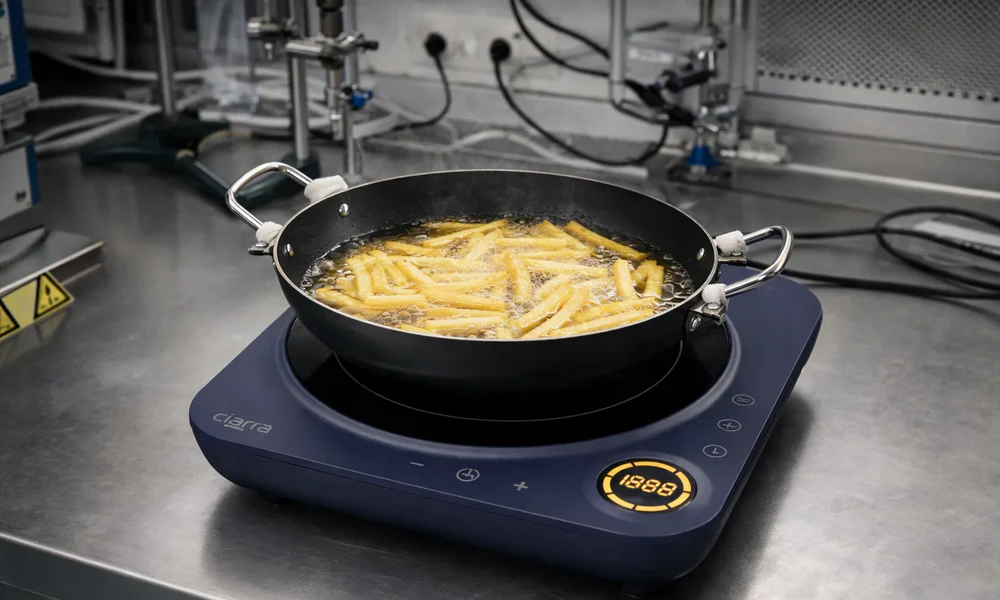
For smaller spaces, travel, or extra capacity, single-zone portable induction hobs work well. Brands like Ciarra Gadgets offer compact units with timers and temperature ranges suited to various tasks. Check the best induction hob options from Ciarra Gadgets for details on tested performance.
Common Challenges and How to Address Them
Induction hobs come with a few considerations.
Cookware compatibility
Not every pan works. You may need to replace some older non-magnetic items. Many households already own several compatible pieces. A magnet test helps identify what you can keep.
Initial cost
Good induction models often cost more upfront than basic gas or electric hobs. Over time, energy savings and durability can offset part of that difference for frequent users.
Noise
The internal fan and occasional humming from the electromagnetic process produce some sound. Most people find it manageable and quieter than a range hood on high.
Learning curve
New users sometimes need a short period to adjust power levels. Once familiar, the responsiveness usually becomes an advantage.
Power supply
Standard household outlets handle most portable units. Built-in models may require professional installation and suitable wiring.
These points rarely stop people from switching once they experience the performance, but it helps to plan ahead.
Current Trends in Induction Hobs
Manufacturers continue to refine induction technology. Flexible cooking zones adapt to different pan sizes and shapes. Integrated extraction systems remove the need for a separate hood in some designs. Smart features, such as app connectivity or automatic pan recognition, appear in higher-end models.
Energy efficiency remains a focus, with better sensors and power management. Portable induction hobs gain popularity for their flexibility in small homes, apartments, or outdoor settings. Designs emphasize easier cleaning and quieter operation.
Ciarra Gadgets follows these developments with practical models that emphasize reliable everyday performance. Their portable options provide a good entry point or useful addition to a fixed setup. Visit Ciarra Gadgets to see current choices that match different needs.
Installation and Maintenance Tips
Built-in induction hobs need proper ventilation and professional fitting in most cases. Leave enough clearance around the unit according to manufacturer guidelines. Portable models plug into standard outlets and require only a stable, flat surface.
For cleaning, turn the hob off and wait until residual heat indicators disappear. Use a damp cloth or recommended scraper for stuck residue. Avoid harsh abrasives that could damage the glass. Regular care keeps the surface in good condition for years.
Who Benefits Most from Induction Cooking
Busy families appreciate the fast heat-up and simple cleanup. People who cook delicate dishes value the precise temperature control. Households concerned about safety, especially with children, often prefer the cooler surface and automatic shut-off features. Those interested in lower running costs over time may find induction a strong long-term option.
Final Thoughts
The best induction hob matches your cooking style, kitchen space, and priorities. Focus on proven speed, control, safety features, and ease of cleaning rather than single specifications. Research specific models through independent tests and user feedback for the clearest picture.
Whether you choose a full built-in unit or start with a portable model from Ciarra Gadgets, induction cooking offers a reliable way to prepare meals with better efficiency and control. Take time to review options that fit your setup. Check the best induction hob guidance and explore what Ciarra Gadgets provides at their site.