
Is Eltham Still an Affordable Place for Families Looking to Buy in South East London?
Eltham has long appealed to families who want more space than they might find in many parts of inner London, without giving up access to the capital’s jobs, schools and amenities. With parks, high streets, rail connections and a mix of period houses and newer homes, it offers a lifestyle that can suit buyers at different stages of family life.
However, affordability is relative. Mortgage costs, household bills and the price of a suitable family home all affect what buyers can realistically manage. For families considering a move to South East London, the key question is not simply whether Eltham is cheaper than other areas, but whether it offers the right balance of property, location and long-term value.
What Makes Eltham Attractive to Families?
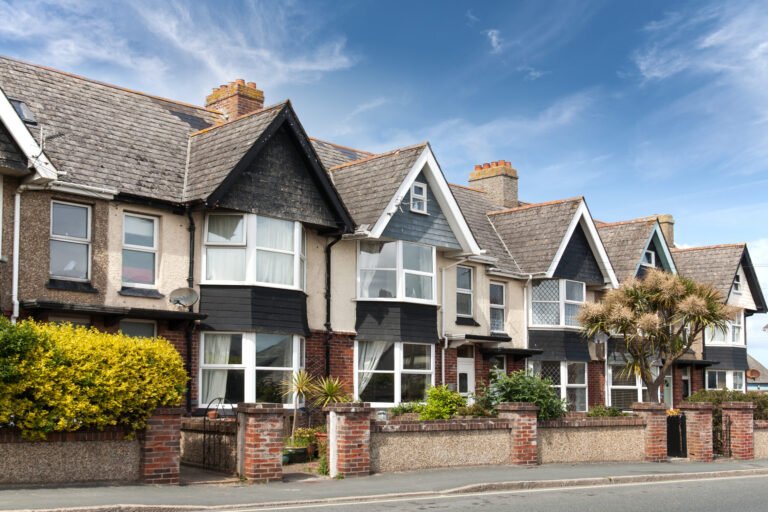
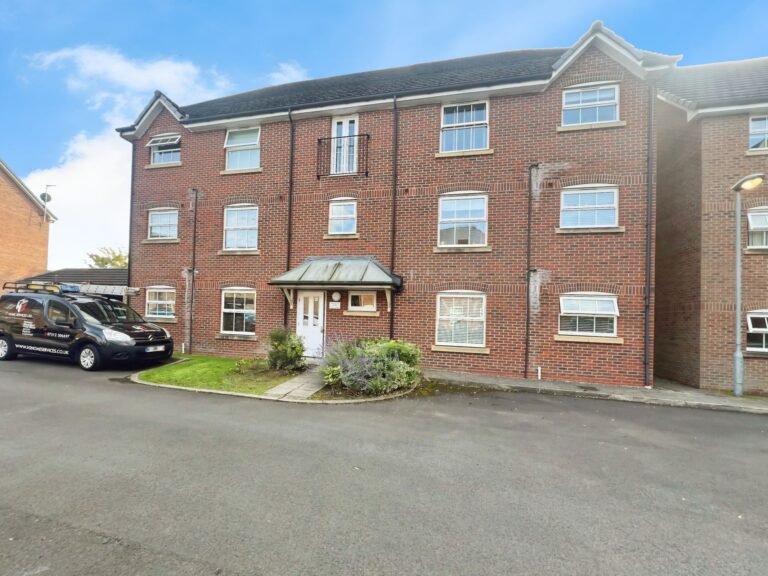
Eltham’s appeal starts with its residential feel. Many streets feature traditional houses with gardens, while flats and maisonettes can provide more accessible entry points for first-time buyers. Families looking for an extra bedroom, outdoor space or room to work from home may find a broader range of options here than in some more central neighbourhoods.
Green spaces are another advantage. Eltham Park and nearby Oxleas Wood offer opportunities for walks, cycling and outdoor activities, helping families build recreation into everyday life without travelling far. The town centre also provides shops, cafés and essential services, making it easier to manage daily errands locally.
Of course, no single feature makes an area affordable. A home with a garden may come with a higher asking price and greater maintenance costs, while a flat may involve service charges. Buyers need to weigh these expenses against the lifestyle benefits they value most.
How Much Value Can Buyers Get for Their Budget?
For families weighing up a move, the type of property they can afford is just as important as the headline price. A flat or maisonette may suit a first-time buyer who wants to get on the property ladder, while a terraced house could offer an additional bedroom or a small garden without the cost of a larger semi-detached home.
Buyers should compare properties according to their actual needs rather than focusing on the maximum mortgage they can obtain. A smaller home in a convenient location may work better than a larger property that stretches the household budget or creates a longer, more expensive commute.
It can also help to speak to estate agents in Eltham who understand the local market and can explain how prices vary between streets, property types and home conditions. This gives families a more realistic starting point when deciding which homes are worth viewing.
Transport Links and Everyday Convenience
Eltham railway station provides services towards central London, which can be useful for parents commuting to work or travelling for business. Journey times and service patterns vary, so buyers should check the routes they would actually use rather than assuming every part of London is equally accessible.
Driving can be practical for some households, particularly those who need to travel across South East London or visit family outside the capital. However, parking availability, traffic and the cost of running a car should all be part of the decision.
Everyday convenience matters just as much as the commute. Families may want to consider the distance to their preferred schools, childcare, supermarkets, GP surgeries and leisure facilities. A home that reduces travel time for school runs and routine errands can offer real value, even if its purchase price is not the lowest available.
Schools, Green Spaces and Room to Grow
For families planning to stay in an area for several years, the local environment can be a major part of the affordability calculation. Access to parks and outdoor space can provide opportunities for children to play and for families to spend time together without regularly paying for activities.
Eltham has a mix of primary and secondary schools, but availability, admissions criteria and catchment boundaries can vary. Buyers should check the latest information directly with schools and the relevant local authority rather than relying on assumptions based on a property’s postcode.
It is also worth thinking about how a home will work in the future. A property that meets a family’s needs today might feel cramped if another child arrives or home-working becomes more common. Where the budget allows, a flexible layout, an extra bedroom or usable outdoor space may reduce the likelihood of having to move again soon.
Calculate the Full Cost of Buying, Not Just the Deposit
Even when a property appears affordable, the upfront and ongoing costs can change the picture. Buyers need to budget for their deposit, mortgage repayments, conveyancing fees, surveys, removals and any immediate repairs or improvements.
Stamp Duty Land Tax may also apply to a purchase in England, depending on the property’s price and the buyer’s circumstances. First-time buyers and people purchasing an additional property may be subject to different rules, so it is important to check the relevant thresholds before making an offer. HMRC’s official guidance on Stamp Duty Land Tax rates and reliefs explains the current rules.
Monthly expenses deserve the same attention. Council tax, energy bills, buildings insurance, service charges for leasehold properties and general maintenance can all affect how comfortably a household manages its mortgage. Older properties may offer character and space, but buyers should check the condition of the roof, windows, heating system and other major components before committing.
A sensible budget should leave room for unexpected expenses rather than assuming every spare pound can go towards the purchase. This is especially important for families whose childcare, transport or household costs may change over time.
How Families Can Make Their Budget Go Further
A little flexibility can open up more options. Buyers who are willing to consider different property types, less familiar streets or homes that need cosmetic improvements may find opportunities they would otherwise overlook. However, renovation costs should be estimated carefully, particularly where work involves structural issues, electrical systems or plumbing.
It is also worth comparing the total cost of living in different parts of Eltham. A property further from the station may have a lower asking price, for example, but any savings should be weighed against additional transport costs and time. Likewise, a home with a larger garden may be appealing, but it could require more maintenance.
Before viewing properties, families should agree on their essential requirements and the features they could compromise on. Getting a mortgage agreement in principle, understanding the likely monthly repayments and allowing for buying costs can make the search more focused. It also helps buyers act decisively when a suitable property becomes available.
Is Eltham Still Worth Considering?
Eltham can still be an attractive option for families buying in South East London, particularly those looking for green spaces, a residential setting and a choice of houses and flats. Its affordability will depend on the household’s budget, the type of property required and how closely the location fits everyday needs.
Rather than judging the area by price alone, buyers should compare realistic property options, check commuting and school arrangements, and calculate the full cost of ownership. With careful planning, they can make a more informed decision about whether Eltham offers the right balance of space, convenience and value for their family.