New Build vs Period Homes in Sittingbourne: Which Is Better?
1. Introduction: Understanding Sittingbourne’s evolving property market
Sittingbourne’s property market has changed considerably over the past decade. Once viewed primarily as a commuter town, it has gradually become a more diverse residential location attracting families, professionals, first-time buyers, and investors alike.
Part of this appeal lies in the variety of homes available across the area. Buyers can choose between newly built developments designed around modern lifestyles or older period properties filled with architectural character and history. Both options attract strong interest, but they appeal to buyers for very different reasons.
For some, the clean lines and energy efficiency of a new build are impossible to ignore. Others are drawn instinctively towards Victorian terraces, Edwardian semis, and older cottages with original features and established surroundings.
The question is not necessarily which is objectively better, but which is better suited to individual priorities, budgets, and long-term goals.
2. Why buyers are increasingly comparing old and new homes
Modern buyers are far more informed than they once were. Before arranging a viewing, many will already have researched local price trends, energy performance ratings, transport links, and maintenance expectations.
As a result, comparisons between period homes and new builds have become more detailed and deliberate. Buyers are no longer simply asking whether a home looks attractive. They are evaluating long-term running costs, practicality, future resale value, and quality of life.
Remote working has also changed priorities considerably. Buyers now place greater importance on usable internal space, natural light, and adaptable layouts. These changing expectations have intensified the debate between traditional character and modern convenience.
3. The timeless appeal of period properties
Period homes continue to hold strong emotional appeal. There is something undeniably compelling about properties built during earlier architectural eras.
Victorian and Edwardian homes often possess features that are difficult to replicate convincingly in modern construction. Decorative fireplaces, high ceilings, sash windows, original timber flooring, and intricate brickwork all contribute to a sense of individuality.
Many buyers are willing to overlook practical shortcomings simply because older homes feel more distinctive. They often possess personality in a way that newer developments sometimes struggle to emulate.
Character matters. Particularly in residential areas where buyers want homes that feel established and unique.
4. Character, craftsmanship, and architectural charm
One of the greatest strengths of period homes lies in the craftsmanship evident throughout their construction.
Older properties were often built using robust materials and traditional techniques that have allowed them to endure for generations. Solid walls, generous room proportions, and detailed architectural elements create a sense of permanence that many buyers value highly.
There is also an aesthetic warmth to period homes. Mature gardens, tree-lined streets, and historic façades create neighbourhoods with a settled atmosphere.
Estate agents in Sittingbourne frequently notice that buyers searching for period properties are motivated as much by emotion as practicality. These homes often evoke a lifestyle aspiration rather than simply fulfilling housing requirements.
5. The practical challenges of owning an older home
Despite their charm, period properties can present practical difficulties.
Maintenance costs are often higher. Roof repairs, ageing plumbing systems, outdated wiring, and poor insulation are relatively common issues in older homes. Buyers should always budget realistically for ongoing upkeep.
Energy efficiency can also be problematic. Many older homes lose heat more quickly, resulting in higher utility costs unless improvements such as double glazing or insulation upgrades have been installed.
Unexpected repairs can emerge over time as well. Owning a period property frequently requires patience, flexibility, and a willingness to invest in maintenance.
For some buyers, these responsibilities are worthwhile. For others, they become a significant drawback.
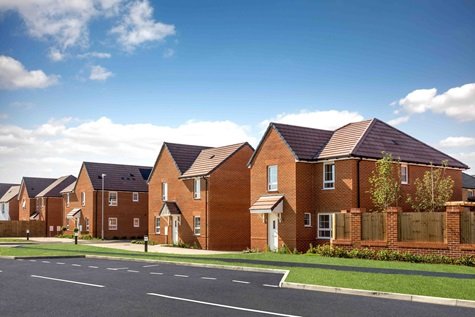
6. Why new build homes continue to attract modern buyers
New build homes have grown increasingly popular across Sittingbourne, particularly among younger buyers and families seeking convenience.
Developers design modern homes around contemporary living habits. Open-plan kitchens, integrated storage, en-suite bathrooms, and efficient heating systems all reflect how people use their homes today.
Many buyers also appreciate the simplicity of moving into a brand-new property. There is no need for immediate renovation work, redecorating, or major repairs. Everything feels fresh, clean, and functional from the outset.
This convenience is often a decisive factor for buyers balancing demanding careers and busy family lives.
7. Energy efficiency and lower maintenance costs in new builds
One of the strongest advantages of new build homes is energy efficiency.
Modern construction regulations require significantly higher insulation standards than those applied decades ago. Double glazing, efficient boilers, improved ventilation systems, and modern materials all contribute to lower energy consumption.
In a climate where utility costs remain a major concern, this efficiency can make a meaningful financial difference.
Maintenance costs are generally lower as well. Appliances, roofs, plumbing systems, and electrical installations are all new, reducing the likelihood of immediate repair expenses.
Many developers also provide warranties covering structural defects for several years after purchase, offering additional reassurance to buyers.
8. Space, layout, and lifestyle differences between old and new homes
Layout is another important distinction between old and new properties.
Period homes often feature larger reception rooms and higher ceilings, which can create a greater sense of openness. However, layouts may feel compartmentalised compared with modern preferences for open-plan living.
New build properties tend to prioritise efficiency. Kitchens flow into dining spaces, storage is integrated more thoughtfully, and rooms are designed around practical everyday use.
Opinions on these layouts vary considerably. Some buyers appreciate the cosy separation of traditional homes, while others prefer the flexibility and sociability of open-plan spaces.
Lifestyle plays a major role in determining which arrangement feels most suitable.
9. Location and community: Established streets vs new developments
Location often influences buyer decisions just as strongly as the property itself.
Period homes are typically located in older, established neighbourhoods with mature landscaping, nearby amenities, and a stronger sense of community identity. Streets may feel more settled and architecturally varied.
New build developments, meanwhile, frequently offer quieter roads, improved parking arrangements, and modern infrastructure. Some include communal green spaces, playgrounds, or nearby retail facilities.
However, newer developments can sometimes feel less established during their early years, particularly while construction phases continue nearby.
The decision often comes down to whether buyers value historic atmosphere or contemporary convenience more highly.
10. Investment potential and long-term value considerations
Both property types can perform well financially, but the dynamics differ.
Period homes in desirable locations often benefit from scarcity. Since no additional Victorian terraces or Edwardian semis are being built, demand for well-maintained examples can remain strong over time.
New builds, on the other hand, may initially command premium prices because of their condition and efficiency. However, buyers should carefully assess local supply levels. Large volumes of similar properties entering the market simultaneously can occasionally influence resale values.
Long-term investment potential depends heavily on location, quality, and market conditions rather than property age alone.
11. Which type of home suits different buyers best?
Different buyers naturally gravitate towards different types of homes.
First-time buyers often favour new builds because of their lower maintenance demands and modern layouts. Some may also benefit from developer incentives or mortgage schemes.
Families may prioritise larger gardens and spacious reception rooms found in older homes, particularly if they value established neighbourhoods and nearby schools.
Professionals working remotely might prefer modern homes with adaptable layouts and energy efficiency, while buyers seeking individuality and architectural detail may feel far more drawn to period properties.
There is no universal answer. The right home depends entirely on personal priorities.
12. How market trends in Sittingbourne are shaping demand
Buyer demand in Sittingbourne continues to evolve alongside broader lifestyle changes.
Commuters relocating from London still represent a significant segment of the market, particularly as flexible working arrangements remain common. Many are searching for more space and better value compared with inner London locations.
At the same time, energy efficiency has become increasingly influential. Buyers are paying greater attention to EPC ratings and long-term running costs than they did a decade ago.
Estate agents in Sittingbourne have also observed rising interest in turnkey properties requiring minimal immediate work, especially among younger buyers balancing financial pressures and renovation costs.
13. Advice from estate agents on choosing the right property
When choosing between a period home and a new build, buyers should think carefully about both emotional and practical considerations.
It is important to assess not only how a property looks during a viewing, but how it will function over the coming years. Maintenance responsibilities, commuting patterns, family requirements, and future financial plans should all influence the decision.
Surveys are particularly important for older properties, while buyers considering new builds should research developer reputations carefully.
The most successful purchases are usually those where expectations align realistically with the realities of ownership.
14. Final thoughts: Finding the right balance between character and convenience
The debate between new build and period homes is unlikely to disappear anytime soon. Both offer distinct advantages, and both continue to attract strong demand across Sittingbourne.
Period properties deliver architectural charm, individuality, and a sense of heritage that many buyers find irresistible. New builds provide convenience, efficiency, and layouts designed around contemporary lifestyles.
Ultimately, the right property is rarely determined by age alone. It depends on how well the home supports the lifestyle, finances, and long-term ambitions of the buyer.
In Sittingbourne’s evolving property market, buyers are fortunate to have genuine choice. Whether drawn towards timeless character or modern simplicity, there is space in the market for both traditions and innovation.