How Image-to-Video AI Helps You Test Content Ideas Faster
Testing content ideas quickly has become one of the most important skills for creators and marketers. Social media platforms reward experimentation, but traditional video production often slows the process down. Creating even a short video can take hours, which limits how many ideas you can realistically test.
Image-to-video AI is changing that dynamic. By turning static visuals into short, engaging videos, it allows creators to experiment faster and more efficiently. This shift is helping creators move from guesswork to data-driven content strategies, where performance guides future decisions.
Why is testing content ideas important for growth?
Testing content ideas allows creators to understand what resonates with their audience. Without testing, growth becomes unpredictable.
A 2024 Social Media Examiner report found that 68 percent of creators test new content formats weekly. Platforms reward content that performs well, and testing helps identify patterns in engagement. The more ideas you test, the higher your chances of finding successful content.
What makes traditional content testing slow?
Traditional workflows require significant time and effort for each piece of content. This slows down experimentation.
Filming, editing, and refining even a simple video can take several hours. According to Wyzowl’s 2024 report, production time is one of the biggest challenges for creators. This makes it difficult to test multiple ideas quickly, limiting opportunities for growth.
How does image-to-video AI speed up content testing?
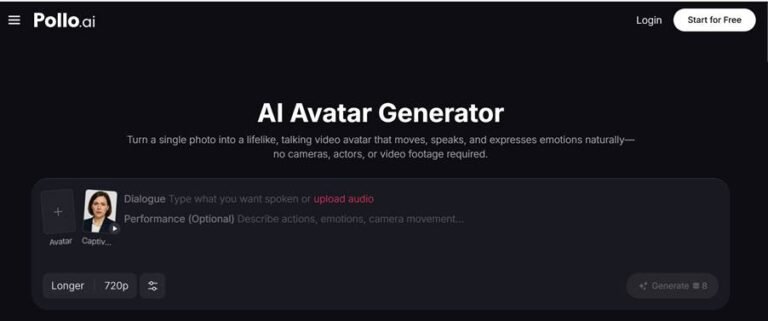
Image to video AI reduces production time by generating motion directly from images. This allows creators to create videos in minutes instead of hours.
Instead of filming new content, creators can use existing visuals to produce multiple variations. This makes it possible to test more ideas in less time. Faster production means faster feedback, which is essential for improving content strategies.
Why does faster testing lead to better results?
Faster testing creates a feedback loop where creators can quickly learn what works and what doesn’t. This improves overall performance.
A 2024 Hootsuite analysis shows that timely content performs significantly better, especially when aligned with trends. By testing ideas quickly, creators can identify winning formats and scale them before trends fade.
How can you test multiple ideas using image-to-video AI?
Image-to-video AI allows you to create multiple versions of the same concept with minimal effort. This increases the efficiency of testing.
For example, you can:
- Use different captions or hooks with the same visual
- Apply different motion styles
- Adjust video length or pacing
These variations help you understand which elements drive engagement. Instead of guessing, you can rely on data to guide your decisions.
Where does image-to-video AI fit in the testing workflow?
Image-to-video AI acts as a rapid execution layer between idea generation and publishing. It helps turn concepts into testable content quickly.
In the middle of many workflows, tools like image to video AI by Viggle AI allow creators to transform static images into short videos ready for testing on social platforms. This reduces the time between idea and feedback.
What types of content are best for rapid testing?
Certain types of content are easier to test because they require less production effort and rely more on creativity.
Short-form videos, memes, reaction clips, educational snippets, and product highlights are ideal. According to Later.com analytics, motion-based content receives up to 34 percent more shares than static posts. These formats benefit the most from quick iteration.
How does this approach improve consistency?
Testing frequently naturally leads to more content output. This helps creators stay consistent.
Hootsuite’s 2024 benchmark report shows that posting three to five times per week leads to better engagement. Image-to-video AI makes it easier to maintain this frequency by reducing the time required to produce each piece of content.
How do creators use data from testing?
Data from testing helps creators refine their strategies and focus on what works. This makes content creation more effective.
By analyzing metrics like watch time, shares, and comments, creators can identify successful patterns. This allows them to scale winning ideas and avoid ineffective ones. Over time, this data-driven approach leads to more consistent growth.
What mistakes should you avoid when testing content?
Testing too quickly without learning from results can lead to repetitive or ineffective content. Balance is important.
Avoid creating too many similar variations without meaningful differences. Focus on testing specific elements like hooks or pacing. Also, ensure that each piece of content aligns with your audience’s interests.
How does this benefit small creators and teams?
Small creators often have limited resources, making it difficult to produce large amounts of content. Image-to-video AI helps overcome this limitation.
By reducing production time, small teams can test more ideas without increasing workload. A 2023 report found that 87 percent of businesses say video improves sales, highlighting the importance of accessible video creation tools.
Also Read: Why Marketers Are Using Face Swap to Localize Image Content for Global Campaigns
What does the future of content testing look like?
Content testing is becoming faster and more data-driven. AI tools will continue to play a key role in this evolution.
Industry forecasts suggest that by 2027, over 80 percent of social video content will involve AI assistance. As tools improve, creators will be able to test ideas in near real time, making content strategies more agile and effective.
Conclusion
Image-to-video AI is transforming how creators test content ideas by making the process faster, simpler, and more scalable. Instead of spending hours on each video, creators can produce multiple variations quickly and gather insights from real audience data.
This shift allows creators to move from guesswork to informed decision-making. By testing more ideas in less time, they can identify what works, refine their strategies, and grow more efficiently. As content demands continue to increase, image-to-video AI will become an essential tool for anyone looking to stay competitive in the digital space.