Why Marketers Are Using Face Swap to Localize Image Content for Global Campaigns
Global distribution is no longer a challenge.
Relevance is.
Brands today can push campaigns across continents instantly, but the real struggle begins after that. The same visual that performs well in one region often fails in another, not because the message is wrong, but because the context feels unfamiliar.
This disconnect is pushing marketers to rethink how visuals are created and adapted.
That’s where face swap is starting to redefine localization.
Instead of rebuilding campaigns for every region, brands are now modifying identity within the same visual framework, making content feel local without recreating it from scratch.
The Problem With “One Visual Fits All”
Most global campaigns are built centrally.
The assumption is simple: if the message is strong, it should work everywhere.
But visuals carry more than just messaging. They carry identity.
Elements like facial features, expressions, styling, and even subtle cultural cues influence how content is perceived.
When these elements don’t align with the audience, engagement drops.
This is why localization is no longer optional. It directly affects:
- Audience trust
- Engagement quality
- Conversion rates
- Brand relatability
The challenge is not understanding this. The challenge is executing it at scale.
Why Traditional Localization Is Breaking Down
Historically, localization meant duplication.
Separate shoots for different regions. Different models. Different production teams.
This approach works when campaigns are limited.
It fails when content becomes continuous.
Modern marketing requires:
- Faster turnaround times
- Multiple variations per campaign
- Frequent updates across platforms
Traditional workflows cannot keep up with this demand.
They are expensive, slow, and difficult to scale.
How Face Swap Changes the Approach
Face swap introduces a different model.
Instead of creating new visuals, it adapts existing ones.
By replacing faces while preserving the original composition, brands can localize identity without changing the entire scene.
If you look at how face swap functions within Higgsfield, the advantage becomes clear. It allows marketers to maintain visual consistency while adjusting identity to match different audiences.
This removes the need for repeated production cycles.
And more importantly, it keeps campaigns cohesive across regions.
Scaling Localization Without Slowing Down
One of the biggest limitations of traditional methods is speed.
Every new region adds complexity.
Face swap removes that constraint.
A single asset can now be adapted into multiple versions quickly, allowing teams to launch campaigns across different markets without delay.
Higgsfield enables this by turning localization into a repeatable process rather than a production task.
This changes how campaigns are planned.
Instead of limiting scope based on resources, teams can expand reach without increasing effort.
Representation Drives Engagement
People connect with familiarity.
When audiences see themselves reflected in content, engagement increases naturally.
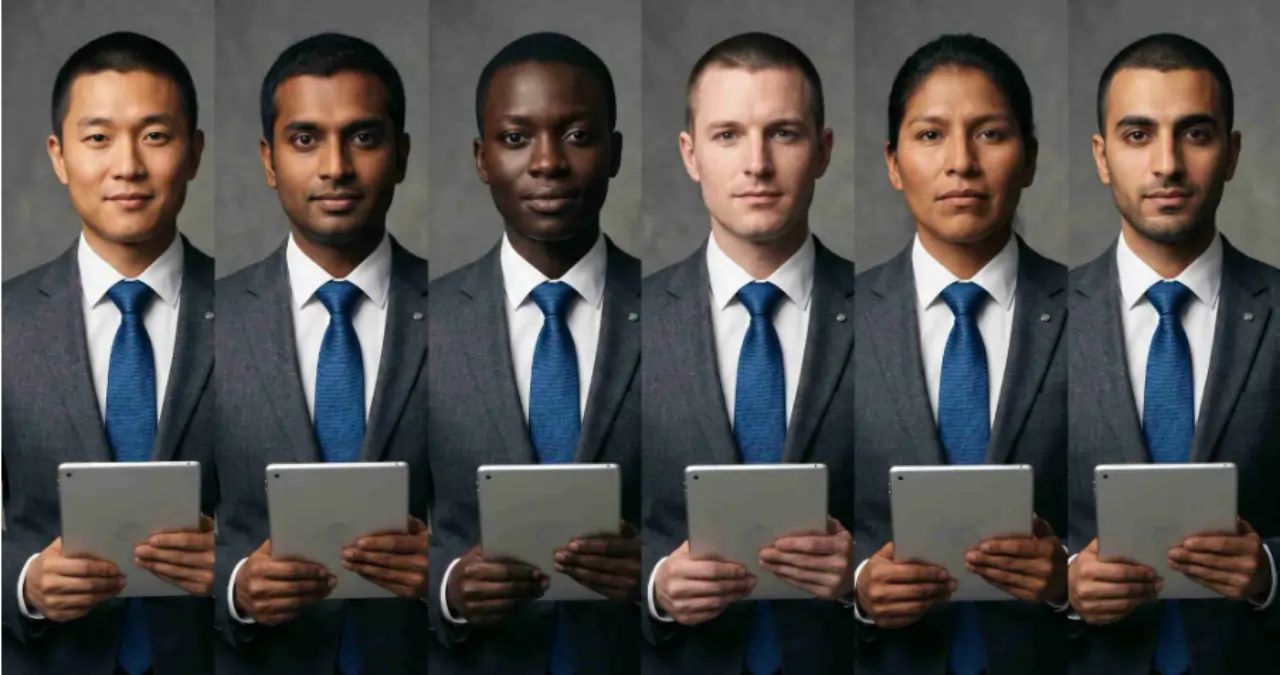
Face swap allows brands to align visuals with regional demographics without altering the overall campaign.
This includes:
- Ethnicity and facial features
- Age representation
- Cultural styling
Higgsfield ensures that these changes feel natural, maintaining realism while adapting identity.
From Localization to Personalization
What starts as regional adaptation quickly evolves into personalization.
Face swap makes it possible to go beyond geography.
Brands can create variations based on:
- Audience segments
- Behavioral patterns
- Platform-specific preferences
This transforms content from static campaigns into adaptive experiences.
Instead of showing the same visual to everyone, brands can tailor content to different audiences without rebuilding it.
Speed Becomes a Strategic Advantage
In digital marketing, timing matters.
Campaigns that respond quickly perform better.
Face swap enables faster adaptation, allowing brands to react to trends, events, and audience behavior without delays.
This agility creates a competitive edge.
Higgsfield supports this by reducing the time between concept and execution, making content creation more responsive.
Cost Efficiency Without Compromise
Localization has always been resource-heavy.
Multiple shoots, teams, and logistics increase costs significantly.
Face swap reduces this burden by reusing existing assets.
This allows brands to:
- Produce more variations with the same budget
- Allocate resources more efficiently
- Maintain high-quality output
Higgsfield ensures that cost savings do not come at the expense of visual quality.
Cultural Context Still Matters
Technology alone is not enough.
Face swap provides the capability, but cultural understanding determines effectiveness.
Marketers must still consider:
- Regional norms and values
- Social context
- Cultural symbolism
A visually accurate face does not guarantee cultural relevance.
The surrounding context must align with the audience.
The Evolution Toward Real-Time Identity Adaptation
This shift is part of a broader transformation in how digital identity is expressed.
Advancements in machine learning and augmented reality are enabling real-time adaptation of visual identity, allowing users and brands to modify how they appear dynamically across digital environments.
Research highlights how AR overlays and machine learning models can enhance self-expression by blending digital elements with real-world visuals, creating more personalized and interactive experiences.
This direction is important.
Because it shows where face swap is heading.
Not just static image adaptation, but real-time identity transformation.
Why Higgsfield Fits This Transition
Higgsfield is not just enabling face swap.
It is aligning with how content workflows are evolving.
Modern marketing requires:
- Speed
- Scalability
- Flexibility
Seedance and face swap together create a system where content can be generated, adapted, and distributed without friction.
This makes Higgsfield particularly relevant for brands operating across multiple markets.
Best Practices for Marketers
To use face swap effectively, marketers should focus on both execution and strategy.
Key considerations include:
- Combine AI with cultural insight
- Test variations across regions
- Maintain brand consistency
- Avoid overgeneralization
- Ensure ethical use of AI-generated visuals
Face swap is a tool.
Its effectiveness depends on how it is applied.
Also Read: Why Seedance 2.0 Is the Smartest Investment for Creators Tired of Outsourcing Video
What This Means for Global Campaigns
Global marketing is becoming more dynamic.
Campaigns are no longer fixed assets.
They are evolving systems that adapt based on audience context.
Face swap plays a key role in this shift by making visual localization scalable and efficient.
Brands that adopt this approach will be able to:
- Reach diverse audiences more effectively
- Maintain consistency across regions
- Respond faster to market changes
Conclusion
The gap between global reach and local relevance has always been one of the biggest challenges in marketing. While distribution has scaled, personalization has remained difficult due to the limitations of traditional production workflows.
Face swap changes that dynamic by allowing brands to adapt visuals quickly and efficiently without rebuilding campaigns from scratch. It makes localization scalable while maintaining consistency and quality.
With platforms like Higgsfield, this approach becomes practical at scale. As AI continues to evolve toward real-time visual adaptation, the ability to modify identity within content will become a core part of how global campaigns are created and delivered.