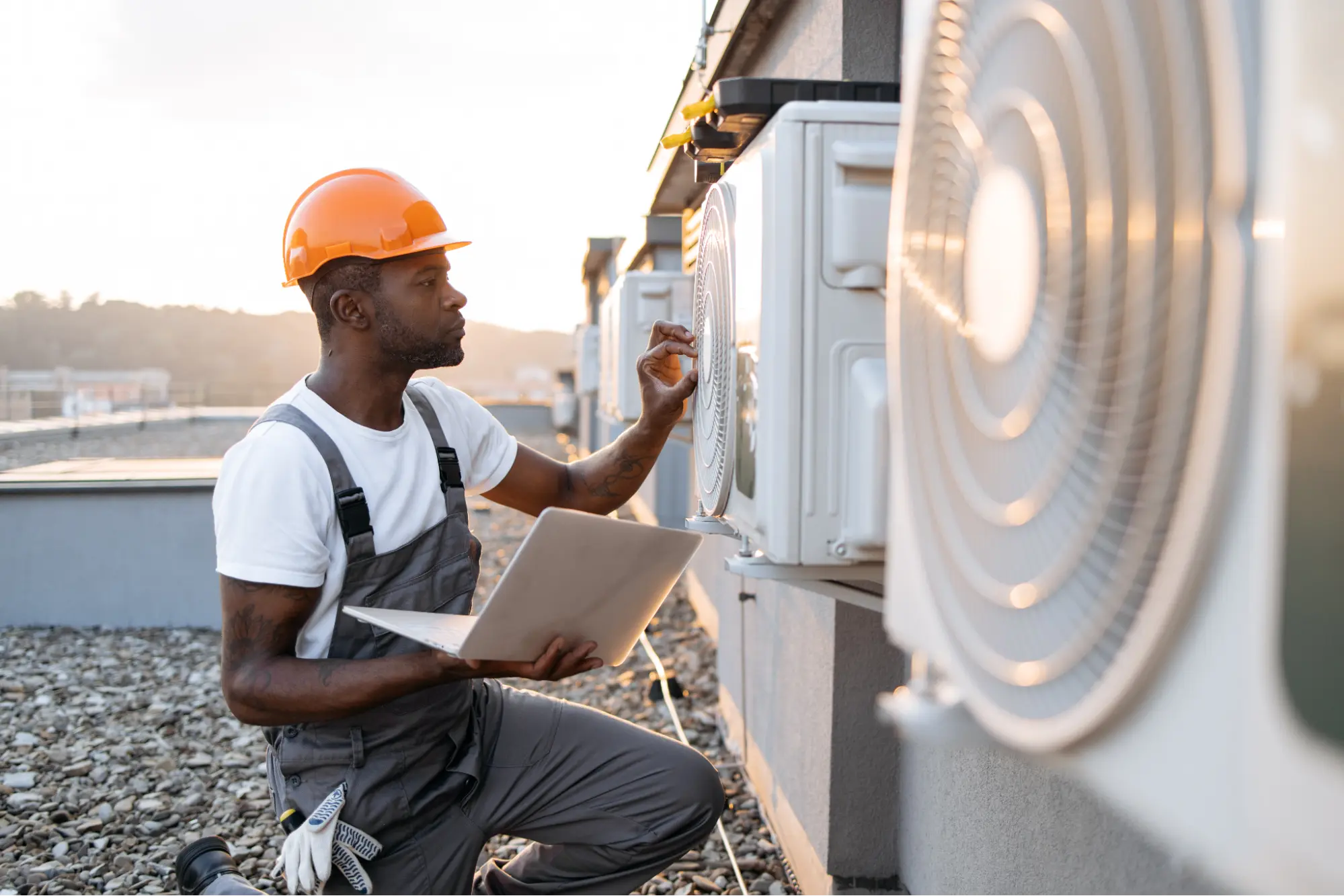
Why HVAC Maintenance Deserves a Spot on Your Priority List
Most homeowners think about their HVAC system twice a year—once when summer heat arrives and once when temperatures drop in winter. Outside of those moments, the system quietly runs in the background, rarely getting the attention it deserves. That’s a problem. Because what you ignore today often becomes what you pay for tomorrow.
Breeze Air Quality specializes in professional HVAC cleaning services, and the team sees it firsthand: systems that could have run smoothly for years end up failing prematurely—simply because maintenance was postponed. The good news? Keeping your system in peak condition isn’t complicated. And the benefits are far more significant than most people realize.
What Actually Happens When Your HVAC System Goes Uncleaned
Dust, debris, and microbial buildup don’t stay in your vents—they circulate through your home every time the system runs. Over time, this accumulation restricts airflow, forces the system to work harder, and can introduce allergens and pollutants into your living environment.
Dirty coils reduce a system’s ability to transfer heat efficiently. Clogged filters increase energy consumption. Blocked drainage lines lead to moisture problems. None of these issues announce themselves loudly. They develop gradually, quietly compounding until the system breaks down or your energy bills spike high enough to demand attention.
Professional HVAC cleaning addresses all of this systematically—removing buildup from components that can’t be reached with a standard vacuum or a replacement filter.
The Real Cost of Skipping Regular Service
Skipping maintenance feels like savings. In reality, it’s a delayed expense that almost always costs more.
A neglected HVAC system can consume 25% more energy than one that is properly maintained, according to the U.S. Department of Energy. That inefficiency shows up on every monthly bill. And when components begin to fail from overwork and buildup, repair costs typically dwarf what routine service would have cost.
There’s also the lifespan factor. A well-maintained HVAC system can last 15 to 20 years. Without regular care, that number drops significantly. Replacing a system years ahead of schedule is one of the most avoidable major home expenses there is.
How Breeze Air Quality Approaches HVAC Cleaning
Breeze Air Quality takes a thorough, detail-oriented approach to every HVAC service. The goal isn’t just to clean what’s visible—it’s to restore the entire system to a state where it operates the way it was designed to.
The process includes:
- Duct cleaning: Removing accumulated dust, debris, and biological contaminants from the ductwork that runs throughout your home
- Coil cleaning: Restoring heat exchange efficiency by clearing buildup from evaporator and condenser coils
- Blower component cleaning: Ensuring proper airflow by cleaning the fan and motor assembly
- Drain line clearing: Preventing moisture-related damage and mold growth by keeping drainage paths clear
- Filter assessment: Evaluating and replacing filters to maintain optimal air quality and system performance
Each service is performed by trained technicians who understand how HVAC systems function—not just how to clean them superficially.
Why Indoor Air Quality Is Directly Tied to Your HVAC System
The connection between HVAC maintenance and indoor air quality is direct and well-documented. The Environmental Protection Agency (EPA) has identified indoor air pollution as one of the top five environmental health risks, and a dirty HVAC system is a primary contributor.
Pollen, pet dander, mold spores, and fine dust particles accumulate in duct systems and get redistributed into living spaces with every cycle. For households with allergy sufferers, asthma, or young children, the impact on respiratory health can be significant. Regular professional cleaning reduces these pollutants at the source, improving the quality of the air your family breathes every single day.
What Sets a Professional Cleaning Apart from DIY Efforts
Filter replacements and basic exterior cleaning are valuable habits. But they address only a fraction of what accumulates inside an HVAC system over time.
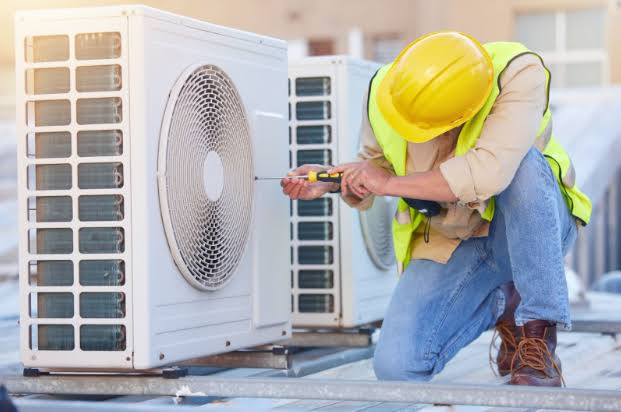
Professional HVAC cleaning uses specialized equipment—high-powered vacuums, rotary brushes, and inspection cameras—to reach and clean components that are simply inaccessible through standard DIY methods. Technicians can also identify early warning signs: worn belts, failing motors, refrigerant issues, or corrosion that, if caught early, can be addressed before they become major problems.
There’s a meaningful difference between a system that looks like it’s running fine and one that has been professionally inspected and cleaned.
The Best Time to Schedule HVAC Maintenance
HVAC Maintenance performed consistently, ideally before the start of peak heating and cooling seasons keeps your system operating at its highest efficiency when demand is greatest and prevents breakdowns during the periods you rely on your system most.
Spring is an ideal time to prepare for summer cooling demands. Fall is the right window to ensure heating systems are clean and ready before temperatures drop. Scheduling service during these transitional periods often means faster appointment availability and a system that’s fully optimized heading into its busiest months.
Breeze Air Quality makes scheduling straightforward, offering flexible appointment times and transparent service details so you know exactly what’s being done and why.
The Lasting Value of Investing in Your HVAC System
A clean, well-maintained HVAC system does more than keep your home comfortable—it protects the investment you’ve already made in the system itself and contributes to a healthier home environment year-round.
Breeze Air Quality brings professional expertise and a genuine commitment to quality to every job. Whether it’s a routine cleaning or a more comprehensive service, the team approaches each visit with the same standard: leave the system running better than they found it.
Your HVAC system works hard every day. It deserves the same care in return.