Is Calvin Klein Gay? Understanding the Designer’s Sexuality, Relationships, and Legacy
The search term “calvin klein gay” often leads people to a straightforward question: Is fashion designer Calvin Klein gay? The answer, however, is more nuanced than a simple yes or no. Calvin Klein has publicly discussed having relationships and intimate experiences with both men and women, while also avoiding the need to define himself with one specific sexual label. That complexity has contributed to ongoing curiosity about his personal life, especially because his name is so closely connected with fashion, sexuality, and provocative advertising.
Calvin Klein is one of the most influential American designers of the modern fashion era. His minimalist clothing, iconic underwear, fragrances, and often provocative advertising campaigns helped turn the Calvin Klein name into a global cultural symbol. Because the brand frequently explored themes of sensuality, identity, gender, and attraction, public interest in Klein’s own sexuality has remained strong for decades.
To understand the question properly, it is important to separate three things: Calvin Klein the person, Calvin Klein the fashion brand, and the public image created by decades of advertising. These three areas overlap, but they are not the same. Looking at Klein’s own statements and his documented relationships provides a much clearer picture than relying on rumors or assumptions.
What Does “Calvin Klein Gay” Actually Mean?
When people search for “calvin klein gay,” they are usually looking for information about the designer’s sexual orientation. The question has been asked for many years, partly because Klein has spoken openly about relationships with both men and women. Some sources have described him as bisexual, while other accounts emphasize that he has not personally committed to a particular label. The distinction matters because sexual identity is ultimately something an individual defines for themselves.
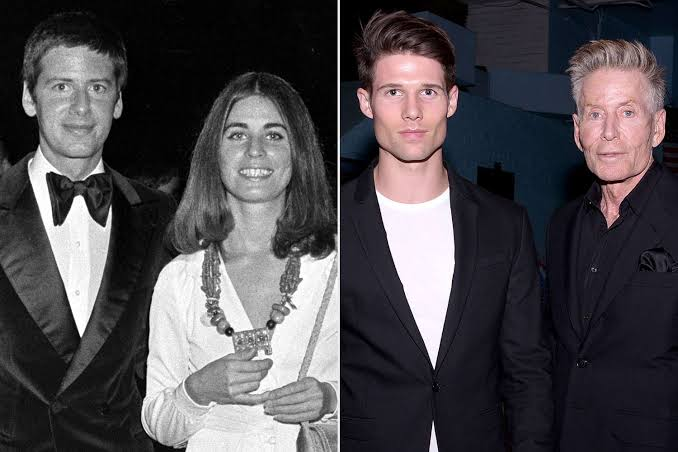
Klein’s public history includes marriages to women as well as relationships with men. He married Jayne Centre in 1964, and the couple had a daughter, Marci Klein, before divorcing in 1974. He later married Kelly Rector in 1986, with their divorce finalized in 2006 after a long period of separation. These relationships are well documented, but they do not by themselves determine someone’s sexual orientation.
The most accurate way to discuss Klein’s sexuality is therefore to acknowledge what he has said about his own experiences. Biography.com reports that Klein has openly spoken about intimate relationships with both women and men while declining to assign himself a specific label. In other words, simply calling him “gay” does not fully capture the way he has described his own life.
Calvin Klein’s Relationships and Personal Life
Calvin Klein’s personal life has attracted attention partly because it developed alongside one of the biggest fashion empires of the late twentieth century. His first marriage was to Jayne Centre, a textile designer, and they had one daughter together. His second marriage to Kelly Rector also became part of his public biography, although the couple eventually separated and later divorced.
Klein has also been linked publicly to male partners. His relationships with men became an important part of media discussions about his sexuality, especially because his personal life did not fit neatly into assumptions based on his previous marriages. His own comments about experiencing attraction and relationships with both men and women have helped explain why different publications use different terms when describing his sexuality.
This is also a good example of why labels can sometimes create confusion when discussing celebrities. A person can have relationships with people of different genders without necessarily choosing a particular identity label. In Klein’s case, the available public information suggests that his romantic and sexual history has been more diverse than the simple question “Is Calvin Klein gay?” implies.
Why Calvin Klein Became Closely Associated With LGBTQ+ Culture
The connection between Calvin Klein and LGBTQ+ culture goes beyond the designer’s personal life. The brand itself has a long history of challenging conventional ideas about sexuality and fashion. From its early years, Calvin Klein advertising frequently used sensual imagery and unconventional approaches to attraction, making sexuality an important part of the company’s visual identity.
The brand’s approach to advertising helped create a space where conversations about desire, gender presentation, and personal identity could appear in mainstream fashion. This did not always happen without controversy. Calvin Klein campaigns have repeatedly attracted public debate, but that willingness to create provocative imagery also helped establish the company as a cultural force rather than simply another clothing label.
Over time, the brand’s public image evolved alongside broader cultural conversations about LGBTQ+ visibility. Modern Calvin Klein campaigns have included LGBTQ+ talent and Pride-focused initiatives, reinforcing the company’s association with inclusivity and self-expression. For example, the brand’s “This Is Love” Pride campaign featured figures including Cara Delevingne, Jeremy Pope, and Stella Maxwell, alongside limited-edition products supporting LGBTQ+ organizations.
The Difference Between Calvin Klein the Designer and Calvin Klein the Brand
One of the biggest reasons the keyword “calvin klein gay” can be confusing is that people often mix the designer with the company that carries his name. Calvin Klein founded the fashion company in 1968 with Barry Schwartz, and the business eventually expanded far beyond clothing into underwear, fragrances, cosmetics, and other products. Today, the brand is part of the larger corporate fashion landscape, while Klein himself is no longer responsible for its everyday creative direction.
The brand’s advertising identity has certainly been influenced by the provocative aesthetic associated with its founder, but it would be inaccurate to assume that every modern campaign directly represents Klein’s personal views. Fashion houses evolve as creative directors, executives, photographers, models, and marketing teams change. The company can develop its own cultural identity that is broader than the private life of the person who originally founded it.
This distinction is especially important when discussing LGBTQ+ representation. A brand may support Pride campaigns, feature queer models or celebrities, or promote messages of inclusion, but that does not automatically tell us everything about the founder’s personal identity. Conversely, a founder’s sexuality should not be used as the sole explanation for a company’s creative decisions. The relationship between an individual and a global fashion brand is much more complicated.
Calvin Klein’s Influence on Fashion and Sexual Expression
Calvin Klein’s influence on fashion cannot be reduced to questions about his sexuality. His greatest contribution was arguably his ability to make minimalism feel desirable, modern, and emotionally charged. Clean lines, simple silhouettes, recognizable logos, and a focus on the body became central elements of the brand’s identity.
The designer also understood the power of advertising in a way that changed the fashion industry. Calvin Klein campaigns often created conversations that extended well beyond clothing. Some were celebrated for being bold and culturally relevant, while others generated criticism over sexualization and the use of provocative imagery. Either way, the campaigns demonstrated how fashion advertising could become part of popular culture.
That legacy is particularly relevant when discussing sexuality. Klein’s work frequently presented the body as something connected to confidence, desire, and personal identity. His campaigns helped normalize a more openly sensual approach to mainstream fashion advertising, although the brand’s history also demonstrates that provocative marketing can raise legitimate questions about age, consent, objectification, and representation.
Why People Still Search for Calvin Klein’s Sexuality
Search interest in Calvin Klein’s sexuality has remained strong because his name sits at the intersection of celebrity culture, fashion, and LGBTQ+ visibility. People are naturally curious about the personal lives of famous designers, especially when those individuals have influenced cultural conversations about identity and sexuality.
There is also a historical reason for the continued interest. Klein became famous during decades when public discussions of sexuality were often less open than they are today. His willingness to speak about relationships with both men and women stood out in the context of his generation. At the same time, media coverage sometimes tried to force people into categories that did not necessarily reflect how they described themselves.
Today, audiences are generally more familiar with the idea that sexuality can be complex and that not everyone wants to use the same label. That makes Klein’s story particularly interesting. Rather than treating the question as a simple binary, it is more accurate to recognize that he has publicly described experiences involving both men and women while not defining himself exclusively through one label.
Is It Correct to Call Calvin Klein Gay?
Based on publicly available information, it would be an oversimplification to describe Calvin Klein simply as gay. He has discussed relationships and intimate experiences with both men and women and has reportedly declined to assign himself a specific sexual identity label. Some biographical sources use terms such as bisexual, but the safest and most accurate approach is to describe his sexuality through his own publicly discussed experiences rather than impose a label on him.
This distinction is not just about semantics. Sexual orientation is personal, and public figures deserve the same consideration as anyone else when it comes to how their identities are described. A person’s dating history can provide context, but it does not necessarily give outsiders permission to decide what label that person should use.
So, if someone asks, “Is Calvin Klein gay?” the most responsible answer is that Calvin Klein has publicly acknowledged relationships with both men and women and has not consistently identified himself with a single label. Calling him exclusively gay does not accurately represent the full picture available from his own public comments.
The Lasting Legacy of Calvin Klein
Regardless of how people describe his sexuality, Calvin Klein’s influence on fashion is undeniable. Since founding his company in 1968, he has helped shape modern American fashion through minimalist design, accessible luxury, and memorable advertising. The brand became particularly famous for making underwear and denim central parts of contemporary fashion culture rather than treating them as purely functional products.
His influence also extends into the way fashion communicates ideas about the body and identity. Calvin Klein advertising has consistently pushed the boundaries of what mainstream consumers expect from a fashion campaign. Sometimes that approach has been controversial, but it has also made the brand a recurring subject of cultural discussion.
For people searching “calvin klein gay,” the most useful takeaway is that the story is more nuanced than a single label. Calvin Klein has lived a personal life that includes relationships with both women and men, and he has spoken publicly about those experiences without necessarily embracing one fixed description of his sexuality. His personal story, combined with the brand’s long-standing engagement with sensuality and identity, explains why the topic continues to attract attention.
Ultimately, Calvin Klein’s legacy is much larger than speculation about his private life. He remains an influential figure whose work transformed American fashion and advertising, while his openness about his personal experiences has contributed to broader conversations about sexuality and identity. Understanding that complexity offers a more accurate and respectful perspective than reducing his life to a single word.