
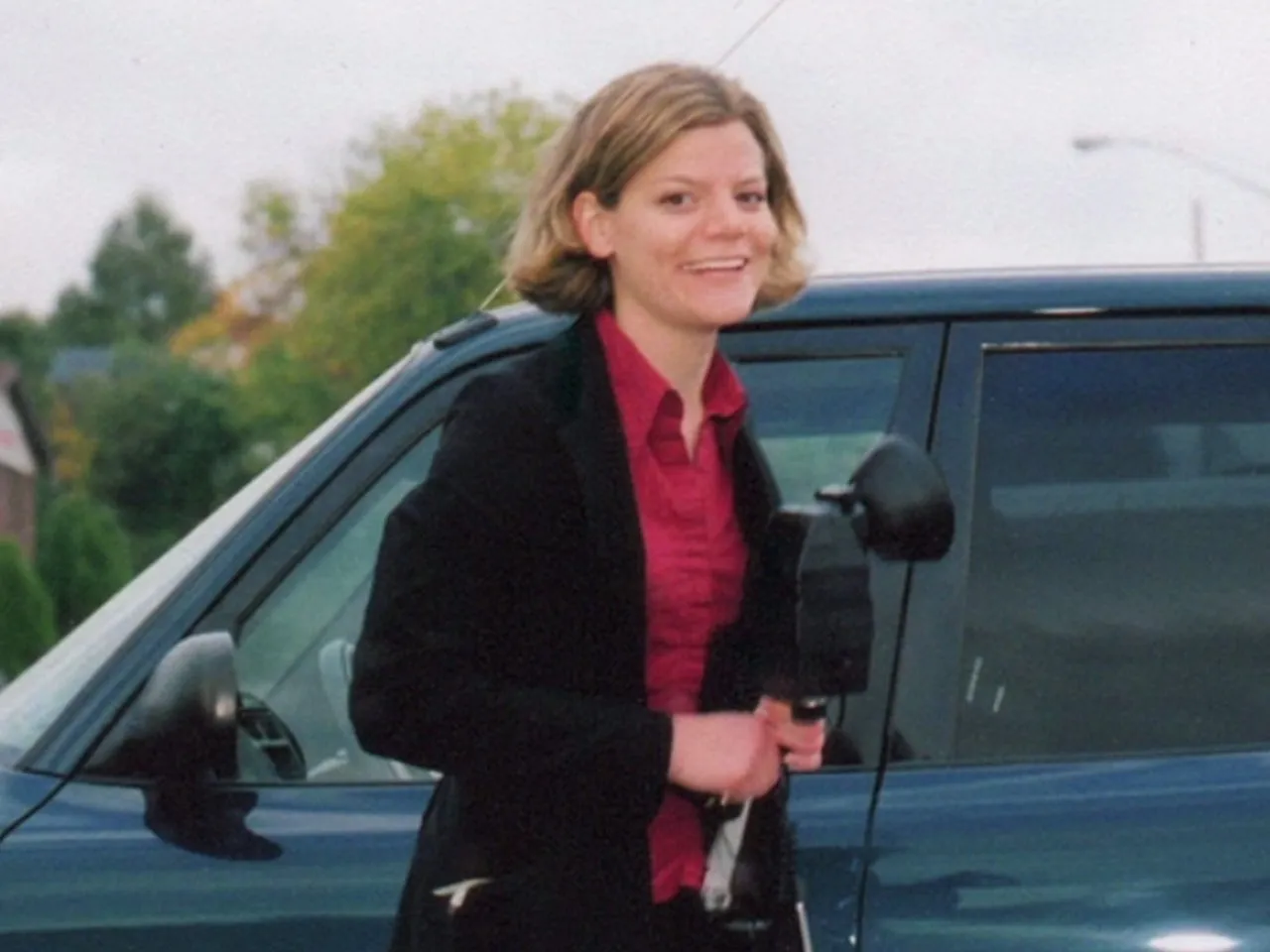
Teresa Halbach: Remembering Her Life, Legacy, and the Lasting Impact of Her Story
Who Was Teresa Halbach?
Teresa Halbach was an American photographer whose life and tragic death became one of the most widely discussed criminal cases in modern U.S. history. While many people recognize her name because of documentaries and legal debates, it is important to remember that Teresa was much more than the center of a criminal investigation. She was a daughter, sister, friend, and talented professional who had built a promising career before her life was cut short.
Born on March 22, 1980, in Kaukauna, Wisconsin, Teresa grew up in a close-knit family that valued education, hard work, and community. She attended local schools before pursuing higher education, eventually earning a degree in photography from the University of Wisconsin–Green Bay. Her passion for capturing genuine moments through a camera became the foundation of her career.
Friends and family often described Teresa as warm, adventurous, and compassionate. She enjoyed traveling, spending time outdoors, and meeting new people through her work. Her personality reflected both creativity and professionalism, qualities that helped her establish a positive reputation among clients throughout Wisconsin.
Teresa Halbach’s Photography Career
Photography was more than a profession for Teresa Halbach—it was a way to connect with people. She specialized in portrait photography, family sessions, and assignments that allowed her to document meaningful moments in people’s lives. Her work demonstrated technical skill while maintaining a natural and authentic style.
One of Teresa’s regular professional responsibilities involved taking photographs of vehicles for Auto Trader magazine. This assignment required traveling throughout Wisconsin to meet sellers, photograph vehicles, and prepare images for publication. The work demanded reliability, organization, and excellent communication skills, all of which Teresa consistently demonstrated.
Those who worked alongside her appreciated her friendly personality and dedication. Clients frequently commented on her professionalism and ability to make people feel comfortable during photography sessions. Even years later, many people who knew Teresa continue to remember her kindness and enthusiasm rather than focusing solely on the tragic events that followed.
The Events of October 2005
On October 31, 2005, Teresa Halbach traveled to photograph a vehicle at a property in Manitowoc County, Wisconsin as part of her work for Auto Trader. After completing scheduled appointments that day, she was reported missing when family members and friends could no longer reach her.
As concern grew, local law enforcement launched a search effort involving investigators, volunteers, and community members. The search expanded rapidly as authorities worked to determine Teresa’s whereabouts. Her vehicle was eventually discovered on property connected to one of her scheduled appointments.
The investigation that followed became one of the most closely watched criminal cases in Wisconsin history. Evidence collected during the investigation ultimately led to criminal charges, courtroom proceedings, and years of public discussion that continue today. Regardless of differing opinions surrounding aspects of the legal process, the investigation began with the heartbreaking disappearance of a young professional simply carrying out her daily work.
The Criminal Investigation and Trial
The investigation into Teresa Halbach’s disappearance quickly evolved into a homicide investigation after evidence suggested that she had been killed. Law enforcement officers conducted extensive searches, interviewed numerous witnesses, and collected forensic evidence that became central to the case.
Steven Avery was charged and later convicted of first-degree intentional homicide, while Brendan Dassey was convicted in a separate trial for his role in the crime. Both convictions have remained the subject of significant legal appeals and public debate over the years. The cases have generated considerable discussion regarding investigative procedures, forensic evidence, and criminal justice practices.
It is important to recognize that legal proceedings are based on evidence presented in court and subsequent appeals. Over time, attorneys representing the convicted individuals have challenged various aspects of the investigation and trial, while prosecutors have defended the convictions. These legal discussions continue to attract attention from legal experts, journalists, and members of the public interested in criminal justice.
Why Teresa Halbach’s Case Drew Worldwide Attention
The case received renewed international attention years after the original trials through the release of the Netflix documentary series Making a Murderer. The documentary introduced millions of viewers to the investigation, court proceedings, and subsequent appeals involving Steven Avery and Brendan Dassey.
The series sparked widespread conversations about criminal investigations, forensic science, police procedures, and the fairness of the justice system. It encouraged viewers to examine evidence critically while also highlighting broader questions about how complex criminal cases are investigated and presented in court.
Despite the global attention surrounding the documentary, many observers have emphasized the importance of remembering Teresa Halbach herself. Discussions about legal theories and courtroom arguments can sometimes overshadow the fact that a real person lost her life and a family experienced an unimaginable tragedy. Keeping Teresa at the center of the conversation helps maintain perspective on the human impact of the case.
Teresa Halbach’s Lasting Legacy
Although Teresa Halbach’s life ended far too soon, her memory continues to live on through her family, friends, and the many people whose lives she touched. Those who knew her remember an energetic young woman who genuinely enjoyed helping others preserve important memories through photography.
Her family has consistently encouraged the public to remember Teresa for the person she was rather than allowing her identity to become defined solely by a criminal case. They have shared stories highlighting her kindness, adventurous spirit, and love of photography, reminding people that she had dreams, ambitions, and meaningful relationships.
In many ways, Teresa’s legacy extends beyond her profession. Her story has encouraged conversations about personal safety, investigative accountability, and the emotional impact that high-profile criminal cases have on victims’ families. These discussions continue to influence public awareness years after the original investigation.
Public Interest and Continuing Legal Developments
Even decades after Teresa Halbach’s death, public interest in the case remains strong. Legal appeals, documentaries, books, podcasts, and news coverage have ensured that discussions surrounding the investigation continue to attract attention from audiences around the world.
Attorneys representing those convicted have pursued additional legal challenges, arguing that new evidence and procedural concerns deserve further judicial review. Prosecutors, meanwhile, have maintained that the convictions were supported by substantial evidence presented during trial. These differing positions have contributed to ongoing legal and public debate.
For many observers, the case serves as an example of how modern media can shape public understanding of criminal investigations. While documentaries and news reports provide valuable information, they often present complex events through specific perspectives. As a result, readers and viewers are encouraged to consult multiple reliable sources when seeking a comprehensive understanding of the case.
Lessons from Teresa Halbach’s Story
The story of Teresa Halbach highlights the profound consequences of violent crime, not only for victims but also for families, communities, investigators, and the justice system. Her case demonstrates how a single event can affect countless lives and generate discussions that continue for many years.
It also illustrates the importance of balancing public curiosity with respect for victims. High-profile criminal cases often become the subject of extensive media coverage, but behind every headline is a real individual whose life mattered. Remembering Teresa as a talented photographer and caring family member helps preserve that essential perspective.
Finally, Teresa Halbach’s story reminds us of the ongoing responsibility shared by investigators, legal professionals, journalists, and the public to pursue truth with fairness and integrity. Open discussion about criminal justice is valuable, but it should never lose sight of the human lives at the center of these cases.
Conclusion
Teresa Halbach remains an important figure in one of the most widely discussed criminal cases in recent American history. While her name is frequently associated with documentaries, legal appeals, and debates surrounding the justice system, she should first and foremost be remembered as a talented photographer, a devoted daughter and sister, and a compassionate individual with a bright future.
Her tragic death continues to resonate because it raises important questions about criminal investigations, forensic evidence, media influence, and the legal process. At the same time, it serves as a reminder that every major criminal case involves real people whose lives and families deserve respect.
As interest in the case continues through ongoing legal proceedings and public discussion, Teresa Halbach’s legacy remains rooted in the life she lived rather than solely in the circumstances of her death. Remembering her accomplishments, character, and humanity ensures that her story is told with the dignity and compassion it deserves.