
Termite Inspection: Why It’s One of the Smartest Calls You’ll Make
Termites don’t announce themselves. They move quietly through walls, floors, and foundations—sometimes for years—before any visible damage appears. By the time most homeowners notice something is wrong, the repair bill has already climbed into the thousands.
That’s the reality of termite damage in the US. According to the National Pest Management Association, termites cause an estimated $5 billion in property damage each year, and the vast majority of that cost isn’t covered by standard homeowner’s insurance. These aren’t dramatic, storm-style disasters. They’re slow, silent, and entirely preventable.
All Solutions Pest Control exists precisely because prevention works—and early detection works even better. A professional termite inspection isn’t just a checkbox on a home-sale checklist. It’s one of the most cost-effective decisions a property owner can make, year after year.
What Actually Happens During a Termite Inspection?
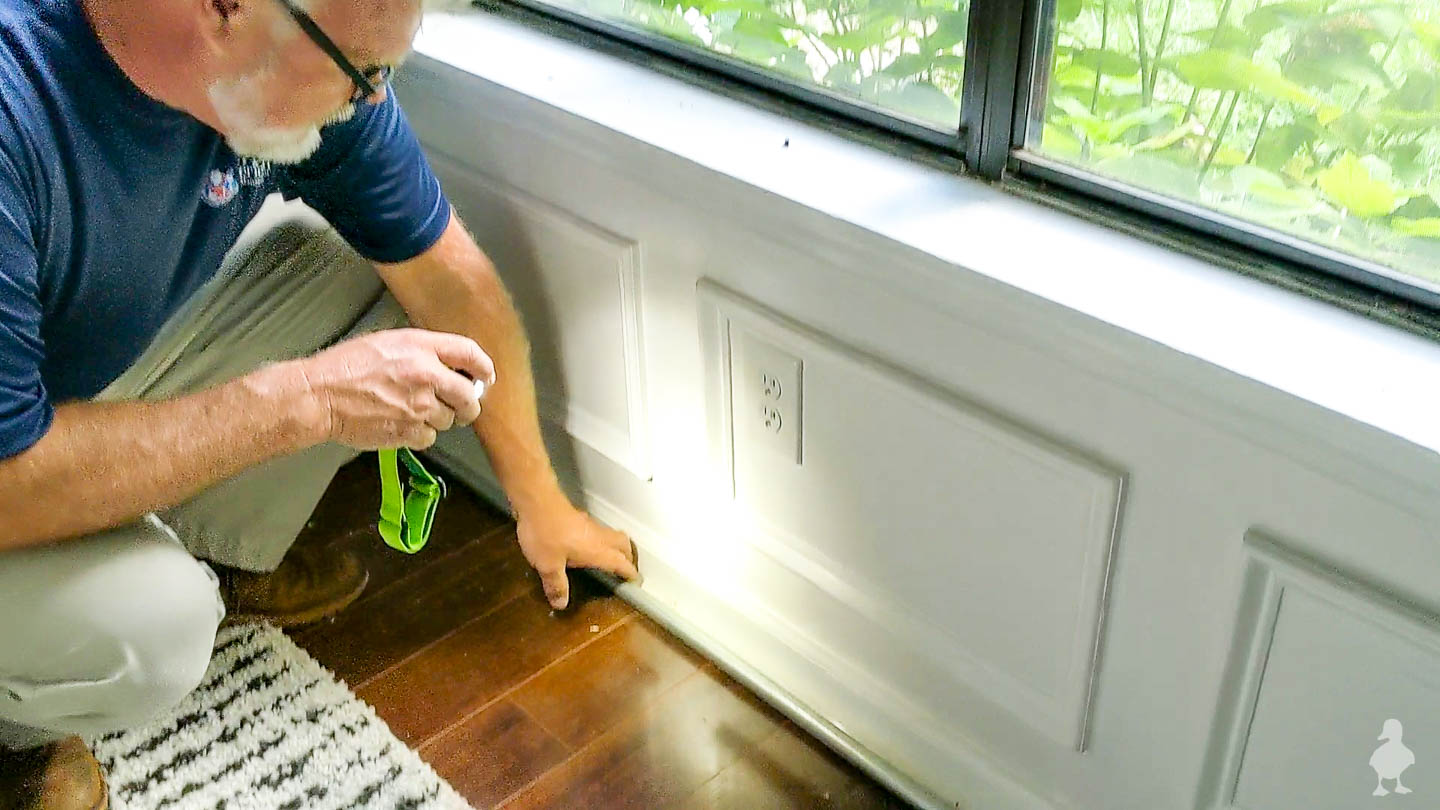
A lot of homeowners assume a termite inspection is a quick walkthrough with a flashlight. It’s far more thorough than that.
A trained technician from All Solutions Pest Control examines every accessible area of your property—interior and exterior—looking for signs of termite activity and the conditions that attract them. That includes:
- Wood-to-soil contact around the foundation
- Mud tubes on walls, piers, or crawl spaces (a signature of subterranean termites)
- Hollow-sounding wood in structural beams, window frames, and flooring
- Discarded wings near windowsills or doorways, which signal swarming activity
- Moisture damage that makes wood more vulnerable to infestation
The inspection covers attics, basements, crawl spaces, garages, and the perimeter of the home. Every area that termites are known to target gets scrutinized. Once complete, you receive a detailed report outlining findings, risk areas, and recommended next steps.
Why Waiting Is the Most Expensive Option
There’s a common misconception that termite inspections are only necessary when you suspect a problem. The opposite is true. Termites are most dangerous precisely because they’re hard to detect early.
A subterranean termite colony can contain hundreds of thousands of workers. They feed 24 hours a day. And since they tend to work from the inside out—consuming the interior of wood while leaving the surface intact—structural damage is often well advanced before anyone notices.
Scheduling regular inspections with All Solutions Pest Control means problems are caught early, while treatment options are simpler and far less costly. A minor infestation treated promptly is a manageable expense. An infestation left to develop for two or three years can compromise load-bearing structures and require extensive repairs.
The math is straightforward: the cost of an inspection is a fraction of what remediation and structural repair can cost.
Who Actually Needs a Termite Inspection?
The short answer: most property owners benefit from one.
That said, certain situations make a termite inspection especially important:
- Homebuyers: Many lenders require a termite inspection before approving a mortgage, particularly in high-risk states. Even where it isn’t required, it’s strongly advisable. Buying a property without one is a significant financial risk.
- Homeowners in warm or humid climates: Termites thrive in moisture-rich environments. Homes in the Southeast, Southwest, and along coastal areas face elevated risk.
- Properties with older construction: Older homes often have more wood-to-soil contact, aging foundations, and conditions that make termite access easier.
- Anyone who hasn’t had an inspection in over a year: Pest control professionals generally recommend annual inspections, even for homes with no history of termite activity.
If your property fits any of these categories, booking an inspection with All Solutions Pest Control is a practical, proactive move.
What Sets a Professional Inspection Apart
There’s no shortage of DIY termite detection advice online—tap on wood, look for mud tubes, check for hollow sounds. And while these observations have value, they don’t replace what a trained professional can identify.
All Solutions Pest Control technicians are equipped with the expertise and tools to detect termite activity in areas that aren’t visible to the untrained eye. That includes thermal imaging and moisture meters that reveal conditions behind walls and under flooring—places where termites often establish colonies long before any surface signs appear.
Professional inspectors also understand the behavioral patterns of different termite species. Subterranean termites, drywood termites, and dampwood termites each behave differently, target different materials, and require different treatment approaches. Knowing which species you’re dealing with matters enormously when it comes to effective treatment.
How All Solutions Pest Control Approaches Termite Inspections
What makes All Solutions Pest Control stand out isn’t just the inspection itself—it’s what comes after.
The team doesn’t hand you a report and walk away. If termite activity or risk conditions are found, technicians explain the findings clearly, answer questions, and outline a tailored treatment plan. Every recommendation is based on what’s actually present in your home, not a generic protocol.
For homeowners who’ve never had a termite inspection before, the process can feel unfamiliar. All Solutions Pest Control makes it straightforward. From scheduling through to post-inspection consultation, the experience is designed to be clear, efficient, and stress-free.
Protecting Your Property Before Problems Start
Termite inspection services from a trusted pest control provider give homeowners one of the few tools that can genuinely get ahead of termite damage—catching signs of activity or risk conditions before they spiral into structural repairs, before the cost compounds, and before the stress sets in.
Termites are patient. But you don’t have to be reactive. Booking a professional inspection now means you’re not scrambling to address damage later. It means your home stays structurally sound. And it means you have a clear picture of what’s happening beneath the surface of your property—something every homeowner deserves.
All Solutions Pest Control is ready to help. Contact the team today to schedule your termite inspection and take the first step toward long-term protection.
Frequently Asked Questions
How long does a termite inspection take?
Most residential termite inspections take between 45 minutes and 2 hours, depending on the size and complexity of the property.
How often should I get a termite inspection?
Annual inspections are generally recommended. Properties in high-risk areas or with a history of termite activity may benefit from more frequent checks.
Is a termite inspection required when buying a home?
Requirements vary by lender and location, but many mortgage lenders do require a termite inspection before approving a loan. Even when it’s not required, it’s a smart investment.
What happens if termites are found during the inspection?
All Solutions Pest Control technicians will outline a targeted treatment plan based on the species identified and the extent of the activity. Treatment options vary and will be explained clearly before any work begins.
Can termites be present even if I don’t see any damage?
Yes. Termites often cause significant internal damage before any exterior signs appear. This is why professional inspections—using specialized tools—are so valuable.