Choosing Exterior Features That Reflect Your Unique Taste
The exterior of a home is often seen as a reflection of the people who live within it. It communicates personality, lifestyle, and attention to detail long before anyone steps inside. In today’s design landscape, homeowners are moving beyond generic appearances and embracing the opportunity to create personalized exteriors that truly stand out. Selecting the right exterior features is an important step in shaping a home that feels both visually appealing and uniquely authentic.
Rather than following trends without intention, thoughtful design choices can help create a cohesive look that balances style with practicality. From materials and colors to architectural details and landscaping, each element contributes to the overall impression of the property. By carefully considering these features, homeowners can craft an exterior that not only looks beautiful but also feels aligned with their individual preferences.
Understanding Your Personal Design Preferences
Before making any changes, it is essential to identify what styles and elements resonate most with your taste. Some homeowners are drawn to clean and contemporary designs with minimal ornamentation, while others prefer classic or rustic aesthetics that emphasize warmth and tradition. Establishing a clear sense of direction allows for more confident decision making throughout the design process.
Looking at inspiration from architecture, interior design, and surrounding neighborhoods can help refine this vision. It is important to focus on what feels authentic rather than simply replicating popular trends. A home’s exterior should feel like a natural extension of the homeowner’s personality rather than a temporary design statement.
Consistency is also key. When all exterior elements align with a central theme, the result is a cohesive and polished look. Without this consistency, even high quality materials and features can appear disjointed or overwhelming.
Selecting Materials That Combine Style and Function
Material selection is one of the most influential aspects of exterior design. The textures and finishes used for siding, trim, and accents define the character of the home and affect both its visual appeal and long term durability. Choosing materials that align with personal taste while also performing well in local conditions ensures lasting satisfaction.
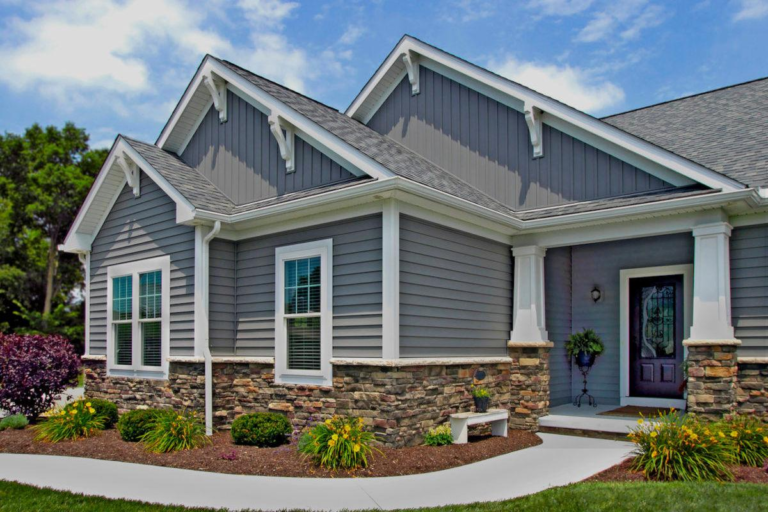
Natural materials such as wood and stone can create warmth and depth, making them ideal for traditional or rustic designs. On the other hand, sleek materials like fiber cement, metal panels, or smooth stucco are often associated with modern aesthetics. Mixing materials can add dimension and interest when done thoughtfully, allowing different elements to complement one another.
Durability should never be overlooked. Materials must withstand weather, temperature changes, and time without compromising appearance. Investing in quality options reduces maintenance needs and helps preserve the home’s overall look for years to come.
A balanced approach to material selection not only enhances visual appeal but also contributes to a home’s structural integrity and efficiency.
Designing a Cohesive Color Palette
Color plays a critical role in defining the overall aesthetic of a home’s exterior. The right palette can highlight architectural features, create harmony, and express individuality without overpowering the design. A well chosen combination of colors adds depth and sophistication to the property.
Neutral tones remain a popular choice because of their versatility and timeless appeal. Shades of white, gray, and beige provide a strong foundation that can be complemented by darker or more vibrant accents. These accents often appear in features such as doors, shutters, or trim, offering an opportunity to introduce personality while maintaining balance.
It is important to consider how colors interact with natural lighting. Sunlight can alter the appearance of shades throughout the day, so testing samples in different conditions helps ensure confidence in the final selection. Additionally, surrounding elements such as landscaping and neighboring homes should be taken into account to create a harmonious environment.
A cohesive color palette ties all exterior components together, reinforcing the overall design vision.
Elevating Functionality Through Structural Features
While aesthetics are important, functionality should remain a central focus when selecting exterior features. Structural elements such as roofing, windows, and entryways play a vital role in both appearance and performance. Ensuring these components meet modern standards enhances the home’s comfort, efficiency, and value.
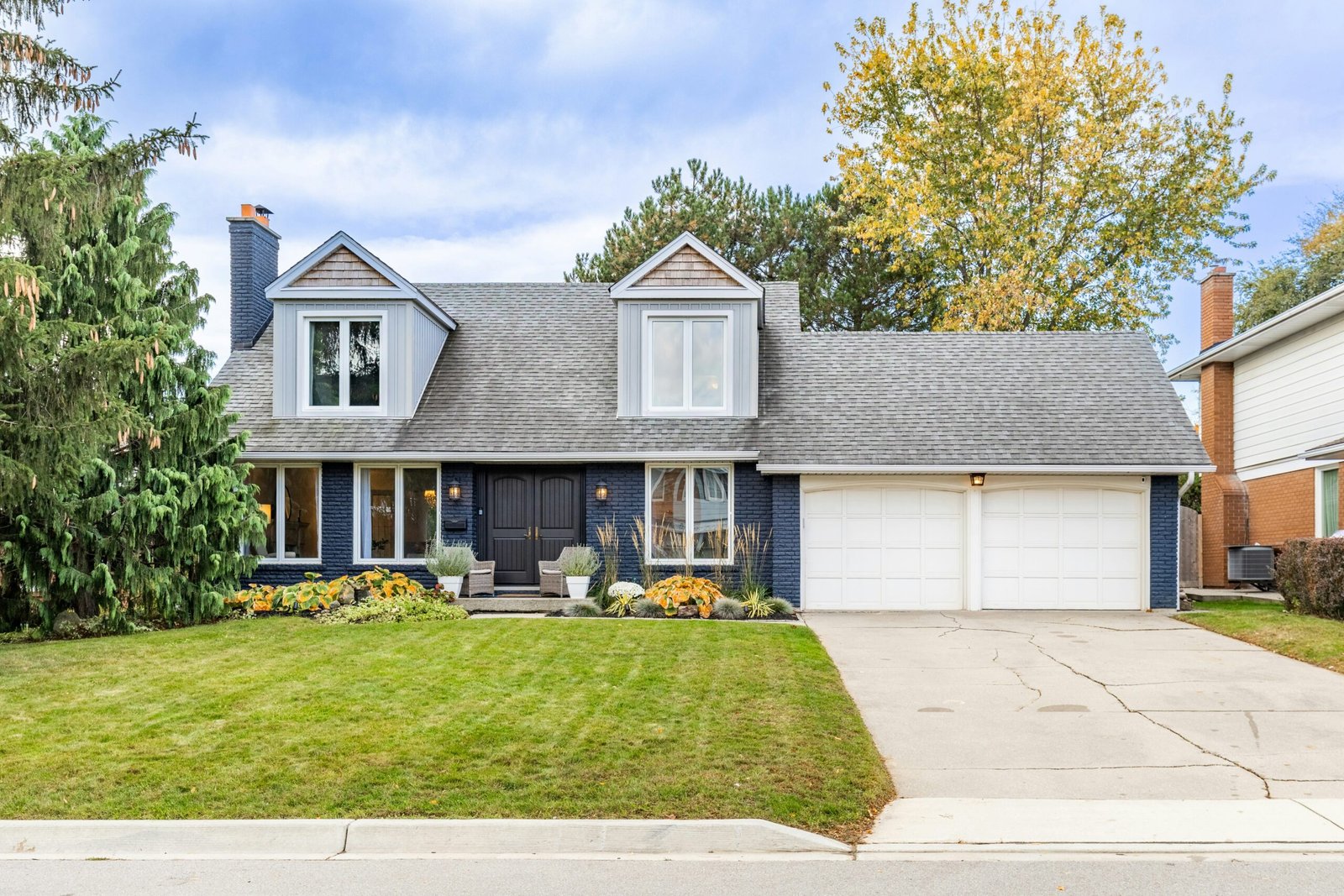
Upgrading key features can have a significant impact. For example, investing in a roofing replacement not only improves the look of the home but also addresses potential issues related to aging materials or weather damage. A new roof can enhance insulation, prevent leaks, and provide peace of mind for homeowners and future buyers alike.
Windows and doors also contribute to both style and efficiency. Choosing designs that align with the overall aesthetic while offering energy efficient performance creates a balanced and practical solution. Entryways, in particular, serve as focal points and can be enhanced with architectural details or updated materials.
By focusing on these functional elements, homeowners ensure that their design choices support both beauty and usability.
Incorporating Details That Reflect Personality
The finishing touches are often what set a home apart and make it truly unique. Small yet impactful details allow homeowners to express their individuality and elevate the overall design. These features may include outdoor lighting, decorative hardware, or custom landscaping elements.
Lighting plays an especially important role in enhancing the exterior. Well placed fixtures can highlight architectural details, improve safety, and create a welcoming atmosphere in the evening. Choosing designs that align with the home’s style ensures consistency across all elements.
Landscaping offers another opportunity to personalize the space. Thoughtfully arranged plants, pathways, and outdoor features can frame the home and create a cohesive environment. Whether the preference is for a clean and minimal look or a more lush and layered design, landscaping helps bring the entire exterior together.
Attention to these details demonstrates care and intention, adding depth and character that elevate the home beyond basic functionality.
Conclusion
Choosing exterior features that reflect your unique taste involves a careful balance of creativity, practicality, and consistency. By understanding your design preferences, selecting appropriate materials, coordinating colors, enhancing structural elements, and incorporating personalized details, you can create an exterior that feels both distinctive and cohesive.
These thoughtful choices not only improve the appearance of the home but also contribute to its long term value and functionality. A well designed exterior makes a lasting impression and provides a sense of pride that extends beyond aesthetics. With the right approach, your home can become a true reflection of your individuality while offering comfort and visual appeal for years to come.