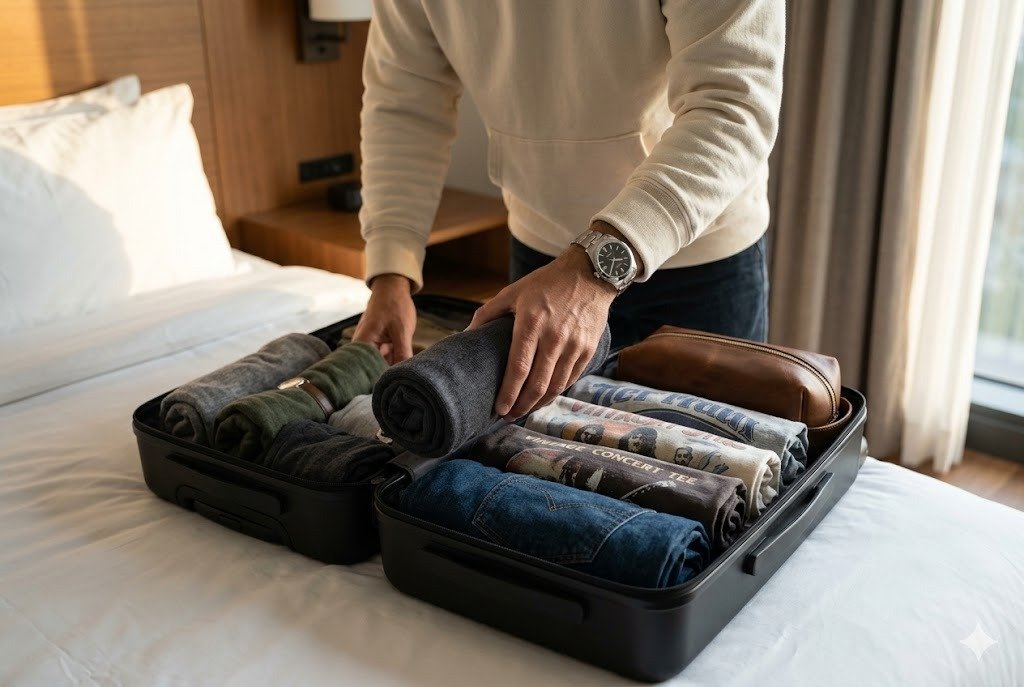
What I Learned After Shopping Only at Specialty Brands Like Parke for a Year
Why I Stopped Buying From Big Retail Stores
Around February 2025, I cleaned out my closet and realized something uncomfortable. Almost every piece I’d bought in the previous two years from mall brands or big online retailers had either fallen apart, lost its shape, or just stopped feeling like something I wanted to wear. So I made a slightly stupid decision. For the next twelve months, I’d buy only from specialty brands. No Zara. No H&M. No big-box online stores. Just smaller direct-to-consumer brands with focused product lines and actual quality reputations. The first surprise was how hard the rule was to follow. Big retail is everywhere, the prices look easy, and the convenience is real. So sticking to specialty brands meant slowing down every single purchase. I’d see a piece I liked, then have to research the brand, read independent reviews, and verify whether it was actually worth the higher price. That process took anywhere from twenty minutes to two hours per item. Then came the financial reality. Specialty pieces cost two to four times what mall brands charge for similar-looking items. A hoodie I’d previously bought for $35 now costs $100 minimum from the brands worth supporting. So my buying volume dropped dramatically. Where I might have bought eight or ten pieces in a normal year, the specialty-only year produced maybe three. Honestly, I think that drop is the most important number from this whole experiment. Fewer pieces, higher quality, longer wear cycles, and a closet that finally felt curated instead of cluttered. The rest of this guide walks through what I actually learned over those twelve months. Plus, the surprises that hit me along the way, and the honest verdict on whether this approach makes sense for someone else, considering it.
The First Two Months: Adjusting to the Specialty Experience
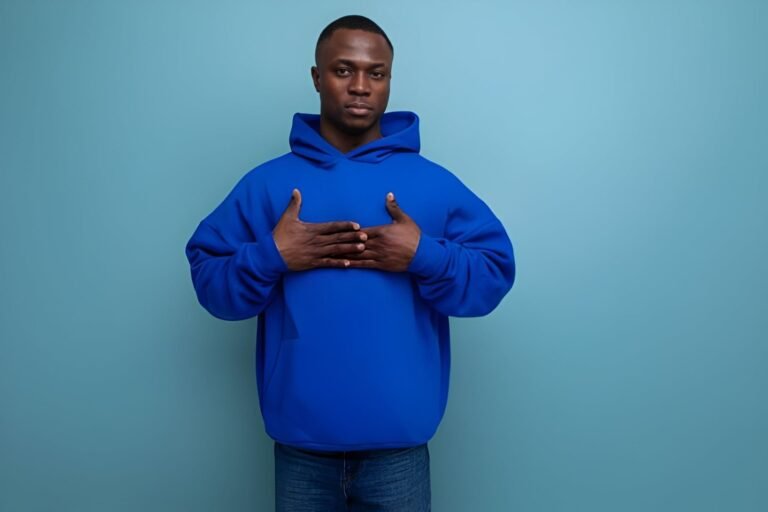
The earliest weeks felt strange. Walking past sale racks at familiar stores and not buying anything created a small psychological friction I hadn’t anticipated. So I started paying attention to what was actually pulling me toward those purchases. The honest answer was momentum, not need. Big retail trains you to buy small things constantly because the prices feel disposable. Once that pattern broke, I noticed how much of my closet had come from impulse rather than intention. The specialty experience runs on different rhythms. Brands release smaller drops less frequently. Shipping takes longer because most don’t operate next-day fulfillment networks. Returns are more involved because the brands actually inspect what comes back rather than restocking everything. So planning matters. You can’t decide on Friday night that you need an outfit for Saturday and just buy one. The first concrete example came when I ordered a heavyweight crewneck from a small brand. The order took eleven days to arrive (versus the two-day Amazon timing I’d been used to). When the package opened, the packaging itself signaled the difference. Tissue paper instead of plastic. A small handwritten card from the founder. A tag explaining the fabric origin and cotton weight. The crewneck itself felt completely different from anything mall-priced. Heavier, softer, with rib cuffs that snapped back to shape after I tugged on them. The seams ran straight without the puckering that cheap brands fake-press out at the factory. Two months in, my reflex had already shifted. Instead of asking whether something was cheap enough to try, I asked whether it was good enough to keep. That single mental flip changed almost every purchase I made for the rest of the year.
The Pre-Purchase Checklist I Developed Along the Way
By month three, I had a clear checklist that I ran through before any specialty purchase over $50. So this saved me from a few mistakes and probably hundreds of dollars by the end of the year. Here’s the exact sequence I used every time:
- Search the brand name plus the word “review” on Google. Look for independent voices, not the brand’s own marketing pages.
- Read at least three actual reviews on the product I was considering, including any with two or three stars. Single-star and five-star reviews lie in opposite directions.
- Check the brand’s social media engagement. Real customers in the comments, founder activity, and genuine interaction signal a healthy business.
- Study the product photos carefully. Multiple angles, lifestyle context, and visible quality details mean the brand owns its inventory.
- Read the return policy fully. Specific windows (14 to 30 days), clear conditions, and customer-friendly language indicate confidence in the product.
- Test the customer service. Send a question through the contact form and see how long the reply takes, plus how personal it feels.
- Wait 48 hours before clicking buy. Most regretted purchases happen in the first impulse moment. Sleeping on it kills the bad ones almost every time.
That seven-step checklist filtered out probably 30 percent of the brands I was initially excited about. Some turned out to have hidden bad reviews. Others had drop-shipping patterns or thin product photos. A few responded so slowly to customer service messages that I knew the experience would be painful if anything went wrong. So the checklist saved me from making purchases I would have regretted. Plus, it built a working memory of which brands I could trust enough to skip the checklist on later orders. By month nine, maybe six or seven brands had earned that level of trust from me.
Why Parke and Similar Specialty Brands Earned My Loyalty
A small handful of specialty brands stood out by the halfway point of my experiment. Their pieces showed up regularly in my rotation, and I started ordering second and third items from each. One example is parke, where the consistency between product description, photos, and actual delivered quality matched up almost perfectly. That alignment matters more than people realize. Most brands oversell in copy and underdeliver in product. The good ones describe what you’ll actually receive. Beyond product accuracy, the loyalty-building factors fell into a clear pattern. Quality consistency across the catalog (not just one or two hero pieces). Reasonable shipping windows that hit their promised dates. Customer service that responded in hours, not days. Packaging that respected the price you paid. None of these is magical or unique, but together they create an experience that mass retailers genuinely cannot match. The other factor was design coherence. Specialty brands tend to have a clear point of view about what they make and why. So when you order from them, the pieces actually pair with each other naturally. A hoodie from Brand A fits over a tee from Brand A. A sweatshirt fits the same color palette as their mockneck. That coherence means you can build a wardrobe from one or two specialty brands rather than buying scattered pieces from twelve different sources. I’d estimate that 60 percent of my purchases during the experiment came from just four brands by year’s end. Plus, the cost-per-wear math heavily favored these brands once enough time passed. A $110 hoodie worn 80 times in a year hits $1.37 per wear. A $35 hoodie worn 20 times before falling apart hits $1.75 per wear and looks worse the whole time. The specialty brands win even before quality is factored in.
Surprises I Didn’t See Coming
Some lessons hit me only after several months of living inside the experiment. So here are the surprises worth flagging if you’re considering a similar approach. Each of these caught me off guard at the time, but they shaped how I shop now in ways I didn’t expect.
- My total spending dropped, not climbed. I assumed specialty brands would empty my wallet faster. Instead, buying fewer, better pieces costs less overall than the constant churn of cheaper purchases.
- Sizing got easier, not harder. Once I learned how one or two trusted brands sized their pieces, I could reorder confidently. Compare that to mass retailers, where the sizing varies between every drop.
- Returns dropped to almost zero. When I actually verified before buying, I rarely needed to send things back. I’d been returning maybe 25 percent of online orders before. By month eight, my return rate sat under 5 percent.
- Compliments increased noticeably. People who’d never commented on my outfits started asking about specific pieces. The difference between a $100 hoodie and a $35 one shows up in ways I hadn’t predicted.
- I started keeping a notes file of brands worth remembering. That single habit changed my shopping more than any other. Six months of notes built a personal list more useful than any review site.
- Big retail started feeling weird. Walking into a mall or browsing a mass retailer’s site started to feel like visiting a museum of disposable goods. The fast-fashion aesthetic stopped reading as normal.
- My closet had room. Fewer pieces, but every piece earned its space. The visual relief of an organized closet was a surprise win I hadn’t expected.
So the surprises mostly skewed positive. The biggest negative surprise was how much time the research process consumed early on. Even that lessened as my trusted-brand list grew.
How Tour Merch Joined My Wardrobe Mid-Year
Around month seven, I attended a concert and bought a tour shirt almost reflexively. The piece sat in my closet for two weeks while I debated whether it broke my own rules (tour merch isn’t exactly “specialty brand” in the traditional DTC sense). Then I wore it once and realized the quality matched everything else in my specialty rotation. So tour merch officially entered the experiment. Pieces from places like Zach Bryan merch operate under the same DTC logic as specialty clothing brands. Direct relationship between the artist or brand and the buyer. No middlemen marking up the price. Higher quality control because the brand identity is on the line. Plus, the fabric weight on quality tour merch (220 gsm cotton minimum on most current drops) puts it solidly in the same construction tier as specialty clothing brands charging double the price. The aesthetic also pairs naturally with everything else in a specialty-built wardrobe. A faded tour tee layered under a heavyweight hoodie reads better than the same hoodie with a generic blank tee underneath. So my best-looking outfits by year’s end almost always had a music or art-driven graphic piece in the mix. That insight wasn’t planned. It came out of the experiment naturally because the rule of buying only from specialty sources pushed me toward sources I hadn’t considered before. One specific observation worth mentioning: tour merch holds value differently than fashion. A specialty hoodie eventually goes out of style. A tour shirt for an artist you actually love only gets better with age. So the cost-per-wear math runs even further in tour merch’s favor when you actually care about the source.
What I Did About Watches (And Why It Worked)
Watches turned into the most interesting category of the year. Around month nine, I realized I’d been ignoring the wrist entirely. My outfit construction had gotten much sharper, but I was still wearing a $40 Casio that didn’t match the rest of the aesthetic. Genuine luxury watches were obviously out of budget. A new Submariner from a Rolex dealer carries a years-long waitlist and a price tag well past $10,000. The secondary market climbs even higher. So I started looking at the specialty alternative space, which is where pieces from fake Rolex collections fit in. The math made sense. A specialty alternative watch ran $400 to $700, used proper 316L stainless steel cases, sapphire crystal glass, and clone automatic movements that swept smoothly rather than ticking like quartz. So the wrist experience matched the rest of my specialty-built outfits. The watch I picked sat at 41mm with a black ceramic bezel and an Oyster-style bracelet. Total cost: about $550. That’s roughly what I’d spent on two hoodies earlier in the year. Plus, the watch matched the entire wardrobe aesthetic without making me feel like I was wearing something pretentious. One concrete detail worth noting: a quality automatic watch genuinely changes how an outfit photographs. Light catches the polished bevels, the sweeping seconds hand reads as serious, and the bracelet adds visual weight at the wrist where the eye naturally lingers. None of that registers as conscious thought when you look at a photo, but the absence of a proper watch leaves outfits looking slightly unfinished. By the end of month twelve, the watch had become my favorite accessory I’d added all year. The honest limit: this category isn’t for everyone, and the legal and ethical questions around replica watches vary by location and personal comfort.
Would I Recommend This in 2027? An Honest Take
Twelve months in, the verdict is mixed but mostly positive. So here’s the honest breakdown. The good: my closet looks better, my pieces last longer, my outfits photograph well, and my total spending actually dropped despite the higher per-item prices. Plus, the act of slowing down and verifying every purchase rewired how I think about consumption in a way that probably benefits me beyond just clothing. The hard: the time investment in research is real, especially early on. Specialty brands take longer to ship. Returns are more complicated when they happen. Some categories don’t have great specialty options yet, which means accepting either a compromise or going without. The honest limitation worth stating plainly: this approach doesn’t work if your budget genuinely can’t absorb the higher upfront costs. Specialty brands assume you can spend $100 on a piece that mall brands sell for $35. If that gap creates real financial pressure, the right move is staying with budget retail and being selective about which pieces you replace less often. Money matters, and pretending otherwise is dishonest. For everyone else, the experiment was worth running. I’d recommend it to anyone considering it. Just go in with realistic expectations about the time, the patience, and the budget shift required. The payoff comes around month four or five, when the new pattern starts feeling normal, and the closet starts looking the way you actually want it to look. By month nine, the question of going back to big retail doesn’t come up. The aesthetic and the experience genuinely outperform what mass retail offers, and that gap keeps growing the longer you stay outside of it. So yes, I’d do this again in 2027.
Final Words
A year of specialty-only shopping rewired my relationship with what I buy and how I wear it. Fewer pieces, better quality, longer wear cycles, and a closet that finally feels personal instead of accumulated. So if you’ve been thinking about a similar experiment, the time to start is now rather than after the new year. Pick two or three trusted specialty brands. Spend deliberately. Wear what you already own constantly. Twelve months from now, you’ll be looking at a wardrobe that actually represents who you are rather than what an algorithm thought would convert.
FAQs
Q: How much should I budget per specialty piece to start?
Plan for $80 to $150 for hoodies and outerwear, $40 to $80 for tees and base layers, and $400 to $700 for a quality watch. These ranges hit the sweet spot where construction and longevity actually deliver on the higher price.
Q: Can I do this experiment without dropping mall brands entirely?
Yes, and that’s probably easier for most people. Try replacing one mall-brand purchase per month with a specialty piece. By the end of the year, you’ll have shifted maybe 25 percent of your closet without the all-or-nothing pressure.
Q: How long do specialty pieces actually last compared to mall brands?
In my experience, three to five times longer. A $110 hoodie still looks great after 80 wears, while a $35 hoodie typically degrades after 15 to 20. The math heavily favors specialty over the full lifecycle.
Q: What’s the hardest category to find good specialty options in?
Casual office wear (think nice but not formal trousers and shirts) was the toughest category I tried. Specialty brands lean heavily into casual streetwear and outerwear, with thinner coverage of mid-formal pieces. That gap is closing, but slowly.
Q: Will big retail catch up to specialty brand quality eventually?
Probably not on construction, because the business model can’t support it. But they’re already copying the visual language of specialty brands (faded colors, vintage graphics, heavyweight-look fabrics) to capture buyers who want the aesthetic without the price. Spotting the difference is exactly what the checklist in Section 3 trains you to do.