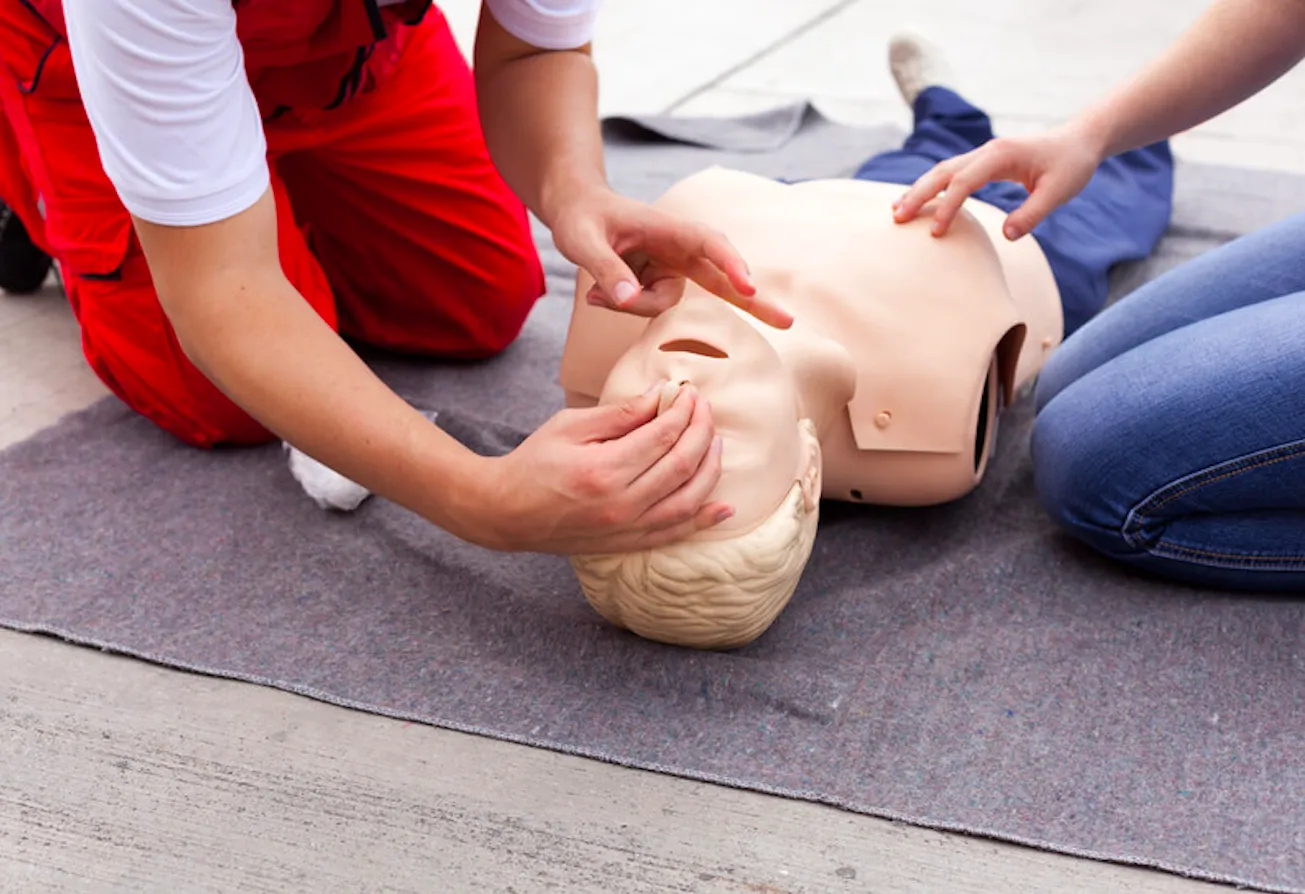
What to Do in an Emergency: Essential CPR and First Aid Skills
Emergencies are unpredictable, heart-pounding moments that test our resolve and presence of mind. Whether it is a car accident on a busy highway, a household mishap, or a sudden cardiac arrest in a shopping mall, the actions taken in the first few minutes are often the difference between life and death. Understanding the essentials of CPR and First Aid is not just a medical requirement for professionals; it is a vital life skill for every responsible citizen.
Being prepared allows you to transform from a panicked bystander into a composed lifesaver. This guide explores the critical steps to take during an emergency and the fundamental skills every individual should master.
1. The Immediate Response: Check, Call, Care
When an emergency occurs, adrenaline often takes over, leading to confusion. To stay focused, emergency experts recommend the “Check-Call-Care” protocol.
Check the Scene and the Person
Before rushing in, ensure the environment is safe for you. If there is a fire, toxic fumes, or live electrical wires, do not put yourself at risk. Once the scene is secure, check the victim. Tap their shoulder and shout, “Are you okay?” to check for responsiveness.
Call for Professional Help
If the person is unresponsive or in severe distress, immediately call local emergency services (such as 911). If others are present, point to a specific person and instruct them to call, as general shouts for “someone help” can lead to the “bystander effect” where no one takes action.
Care for the Person
Provide assistance based on the victim’s condition and your level of training until professional paramedics arrive.
2. CPR: The Rhythm of Life
Cardiopulmonary Resuscitation (CPR) is perhaps the most critical skill in emergency medicine. It is performed when a person’s heart stops beating or they stop breathing. During cardiac arrest, the heart cannot pump oxygenated blood to the brain. Brain damage can begin in as little as four minutes, and death can occur shortly after.
CPR keeps the blood flowing manually, buying the victim precious time.
How to Perform Hands-Only CPR
If you are not trained in traditional CPR (which includes rescue breaths), you can still save a life using Hands-Only CPR:
- Positioning: Place the heel of one hand in the center of the victim’s chest. Place the other hand on top and interlock your fingers.
- Compressions: Push hard and fast. You should compress the chest at least 2 inches deep.
- Tempo: Maintain a rate of 100 to 120 compressions per minute. A helpful tip is to push to the beat of the song “Stayin’ Alive” by the Bee Gees.
- Recoil: Allow the chest to return to its normal position between compressions.
To gain full confidence and official recognition of these skills, knowing What to do in an emergency through a structured course is highly recommended.
3. Mastering Vital First Aid Skills
Beyond CPR, several common emergencies require specific First Aid interventions.
Choking and the Heimlich Maneuver
If a person is clutching their throat and cannot speak or cough, they are likely choking. Stand behind them, wrap your arms around their waist, and make a fist just above their navel. Perform quick, upward thrusts until the object is dislodged.
Managing Severe Bleeding
Uncontrolled bleeding can lead to shock very quickly. Apply firm, direct pressure to the wound using a clean cloth or sterile gauze. If the blood soaks through, do not remove the first cloth; simply add another layer on top and continue applying pressure.
Treating Burns
For thermal burns, immediately run cool (not cold) tap water over the affected area for at least 10 minutes. Avoid using ice, butter, or ointments, as these can damage the tissue further or cause infection. Cover the burn loosely with a sterile, non-stick bandage.
Recognizing a Stroke (F.A.S.T.)
Time is brain matter when it comes to strokes. Use the F.A.S.T. acronym:
- F (Face): Does one side of the face droop when they smile?
- A (Arms): When raising both arms, does one drift downward?
- S (Speech): Is their speech slurred or strange?
- T (Time): If any symptoms are present, call emergency services immediately.
4. Building Your Emergency Toolkit
Every home and vehicle should be equipped with a well-stocked First Aid Kit. While you can buy pre-assembled kits, ensure yours includes:
- Various sizes of adhesive bandages (Band-Aids).
- Sterile gauze pads and medical tape.
- Antiseptic wipes and antibiotic ointment.
- A thermometer and scissors.
- A pair of non-latex gloves to protect yourself from bloodborne pathogens.
- Emergency contact numbers and a basic First Aid manual.
5. The Psychology of Emergencies
The biggest obstacle to saving a life is often not a lack of knowledge, but fear. Many people hesitate because they are afraid of doing something wrong or being sued. However, most regions have “Good Samaritan Laws” that protect bystanders who provide assistance in good faith.
Preparation is the best cure for fear. By visualizing scenarios and practicing your skills, you build “muscle memory.” When a real emergency strikes, your body will take over even if your mind is racing.
6. SEO Best Practices for Emergency Topics
If you are writing about health and safety, it is important to ensure your content reaches those who need it.
- Use Clear Headings: Use H2 and H3 tags to make the article scannable for users looking for quick answers.
- Incorporate Keywords: Naturally include terms like “emergency response,” “first aid kit essentials,” and “how to perform CPR.”
- External Authority: Linking to reputable sources like the Red Cross or AHA increases the E-E-A-T (Experience, Expertise, Authoritativeness, and Trustworthiness) of your content.
- Mobile Optimization: Most people search for emergency information on mobile devices; ensure your formatting is clean and easy to read on small screens.
Conclusion
Knowing what to do in an emergency is a profound responsibility that empowers you to protect your family, friends, and community. While we hope to never use these skills, the peace of mind that comes with being prepared is invaluable. From the rhythmic compressions of CPR to the steady pressure applied to a wound, your actions can bridge the gap between a tragedy and a miracle.
Invest time in learning, keep your first aid kit updated, and always stay calm. You have the potential to be the hero someone needs on their worst day.