
Priority Infrastructure Plan: Building the Foundation for Sustainable Growth
Introduction to a Priority Infrastructure Plan
A priority infrastructure plan is more than a document filled with construction goals and government targets. It is a long-term strategy designed to identify, organize, and implement the most essential infrastructure projects needed for economic growth, public welfare, and national development. Whether a country is expanding transportation networks, improving digital systems, modernizing energy grids, or strengthening water supply systems, infrastructure planning plays a central role in shaping the future.
In recent years, the phrase “priority infrastructure plan” has become increasingly important in discussions around urban development, sustainability, and economic recovery. Governments, private investors, and international organizations all recognize that infrastructure directly impacts productivity, investment opportunities, and quality of life. Roads, airports, rail systems, communication networks, and renewable energy facilities are no longer viewed as optional improvements. They are now considered critical assets that determine how efficiently societies function.
One of the key reasons infrastructure planning has gained attention is because of rapid urbanization. Cities continue to grow at unprecedented rates, placing enormous pressure on transportation, utilities, and public services. Without a structured infrastructure plan, urban areas often struggle with traffic congestion, pollution, housing shortages, and inefficient public systems. A priority infrastructure plan helps governments focus resources on the most urgent needs while maintaining long-term development goals.
Another important factor is economic competitiveness. Countries with strong infrastructure systems tend to attract more businesses, tourism, and foreign investment. Efficient logistics networks reduce transportation costs, reliable electricity supports industrial production, and digital infrastructure encourages technological innovation. Investors are more likely to support regions where infrastructure supports stable economic activity. Because of this, many governments now place infrastructure development at the center of national economic policy.
At the same time, infrastructure planning is no longer limited to physical construction alone. Modern infrastructure strategies also include environmental sustainability, climate resilience, and digital transformation. Smart cities, renewable energy systems, green transportation, and advanced telecommunications are becoming core components of infrastructure planning. This broader approach ensures that development projects not only support growth today but remain effective and sustainable for future generations.
Why Infrastructure Planning Matters
Infrastructure planning matters because every aspect of modern life depends on efficient systems operating in the background. From commuting to work and accessing healthcare to using the internet and receiving electricity, infrastructure affects both individuals and businesses on a daily basis. When infrastructure is weak or outdated, economic growth slows and public services become unreliable.
One major reason infrastructure planning is essential is because infrastructure projects are expensive and time-consuming. Governments cannot simply build everything at once. They must prioritize projects based on economic impact, population growth, environmental concerns, and financial feasibility. A priority infrastructure plan helps decision-makers allocate budgets effectively while avoiding unnecessary spending and project duplication.
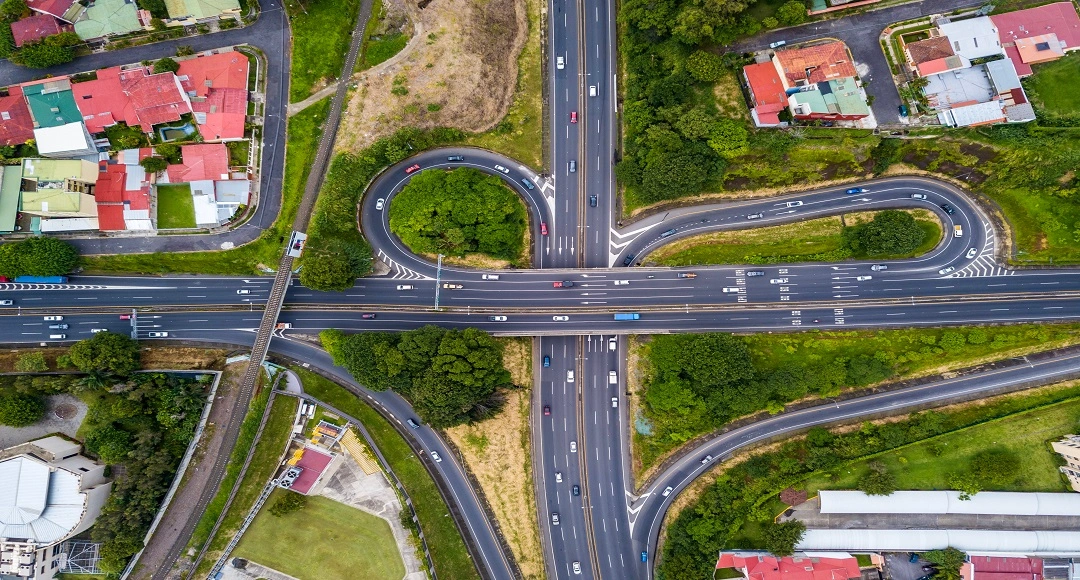
Transportation infrastructure is one of the clearest examples of how planning affects economic performance. Poor road conditions, inefficient ports, and overcrowded airports can significantly increase logistics costs. Businesses lose productivity when supply chains are delayed or unreliable. On the other hand, well-planned transportation systems improve trade efficiency, reduce travel times, and encourage regional development. Infrastructure planning ensures that transportation investments align with future population and economic needs.
Energy infrastructure also highlights the importance of long-term planning. Countries experiencing rapid industrialization require stable electricity supplies to support manufacturing, healthcare, and digital services. Without proper planning, energy shortages can damage economic growth and create public frustration. Modern infrastructure strategies increasingly focus on renewable energy sources, energy storage systems, and smart grids to improve sustainability and energy security.
Public health and safety are also deeply connected to infrastructure quality. Water treatment systems, sanitation networks, hospitals, and emergency response facilities all depend on infrastructure investment. During natural disasters or public emergencies, resilient infrastructure can save lives and reduce economic damage. Infrastructure planning therefore becomes not just an economic issue but a social responsibility.
Digital infrastructure has emerged as another critical area. Broadband internet, data centers, and communication networks now support education, banking, healthcare, and commerce. The rise of remote work and online services has made digital connectivity a basic requirement for modern economies. Countries without strong digital infrastructure risk falling behind in innovation and global competitiveness. Priority infrastructure planning ensures that digital transformation remains part of national development strategies.
Core Components of a Priority Infrastructure Plan
A successful priority infrastructure plan usually includes several interconnected sectors that collectively support national growth and public welfare. These sectors must work together because modern economies rely on integrated systems rather than isolated projects.
Transportation infrastructure is often the largest component of infrastructure planning. Roads, highways, railways, airports, seaports, and public transit systems are essential for moving people and goods efficiently. Governments prioritize transportation projects because they directly affect trade, employment, tourism, and urban mobility. Investments in transportation also stimulate construction industries and create long-term economic opportunities.
Energy infrastructure forms another major pillar of development planning. Reliable electricity generation and distribution systems are necessary for businesses, households, hospitals, and schools. Many countries are transitioning toward renewable energy infrastructure such as solar farms, wind power facilities, and hydroelectric systems. These investments help reduce environmental impact while improving long-term energy stability.
Water and sanitation infrastructure are equally important. Clean drinking water, sewage systems, flood protection, and irrigation networks are essential for public health and agricultural productivity. In many developing regions, inadequate water infrastructure remains a major challenge affecting millions of people. Priority infrastructure plans often include major investments in water treatment and distribution systems to improve living conditions and reduce health risks.
Digital infrastructure has become a defining feature of modern infrastructure strategies. High-speed internet networks, fiber-optic systems, 5G technology, and data centers now support entire economies. Governments increasingly recognize that digital connectivity is just as important as physical transportation networks. Countries investing heavily in digital infrastructure are often better positioned to compete in global technology markets.
Social infrastructure also deserves attention within infrastructure planning. Schools, universities, hospitals, housing projects, and recreational facilities contribute directly to quality of life. While transportation and energy projects often receive more media attention, social infrastructure plays a critical role in human development. Governments that balance economic and social infrastructure investments usually achieve more inclusive growth.
Environmental infrastructure is becoming increasingly important due to climate change concerns. Flood defenses, waste management systems, green urban spaces, and sustainable drainage systems help cities become more resilient. Modern infrastructure planning now focuses on balancing economic growth with environmental protection. Sustainable infrastructure projects are no longer viewed as optional environmental initiatives but as essential investments for long-term stability.
Economic Benefits of a Priority Infrastructure Plan
Infrastructure investment is widely recognized as one of the strongest drivers of economic growth. A well-designed priority infrastructure plan can stimulate business activity, create jobs, improve productivity, and increase national competitiveness. The economic impact often extends far beyond the initial construction phase.
One immediate benefit is job creation. Large infrastructure projects require engineers, architects, construction workers, project managers, and suppliers. These projects generate employment opportunities across multiple industries. In addition to direct jobs, infrastructure spending creates indirect economic activity through demand for materials, equipment, and professional services.
Improved transportation infrastructure can significantly lower business costs. Efficient highways, rail systems, and ports reduce delivery times and fuel expenses. Businesses become more competitive when goods move quickly and reliably. This encourages domestic production, supports exports, and attracts international investment. Many countries use infrastructure development as a strategy to strengthen global trade relationships.
Infrastructure investment also supports regional development. Rural areas often struggle economically because of poor connectivity and limited access to services. By expanding transportation and digital infrastructure into underserved regions, governments can stimulate local economies and reduce regional inequality. Better infrastructure encourages businesses to invest outside major Emarand urban centers, creating broader economic opportunities.
Another major benefit is increased productivity. Reliable electricity, efficient internet connectivity, and modern transportation systems allow businesses to operate more effectively. Workers spend less time commuting, manufacturers face fewer operational disruptions, and communication becomes faster. Productivity improvements contribute directly to higher economic output and stronger long-term growth.
Infrastructure development can also increase property values and encourage private investment. New transportation systems, commercial districts, and public facilities often attract real estate development and business expansion. Investors are more likely to support areas with strong infrastructure because it reduces operational risks and improves accessibility.
Long-term infrastructure planning also strengthens economic resilience. Countries with modern infrastructure systems are generally better prepared to handle economic shocks, population growth, and technological change. Infrastructure investment therefore serves both immediate economic goals and broader national stability objectives.
Challenges in Implementing Infrastructure Plans
Despite the benefits, implementing a priority infrastructure plan is rarely simple. Governments and organizations face numerous financial, political, technical, and environmental challenges during infrastructure development.
One of the biggest challenges is funding. Infrastructure projects often require billions of dollars and many years of investment. Governments must balance infrastructure spending with healthcare, education, defense, and other public services. In some cases, public-private partnerships are used to finance large projects, but these arrangements also require careful management and oversight.
Political instability can also delay infrastructure projects. Changes in government leadership, policy priorities, or economic conditions may affect long-term planning. Infrastructure development usually extends beyond election cycles, making continuity difficult in politically unstable environments. Consistent planning and bipartisan support are often necessary for successful implementation.
Land acquisition and legal disputes create additional obstacles. Large transportation corridors, airports, and energy facilities may require relocation of communities or environmental approvals. Disputes over land rights can delay projects for years. Governments must balance development goals with social and environmental responsibilities.
Environmental concerns are another growing challenge. Traditional infrastructure projects sometimes contribute to pollution, habitat destruction, and increased carbon emissions. Public pressure for sustainable development has forced governments to adopt stricter environmental standards. Modern infrastructure planning therefore requires careful environmental assessments and greener construction methods.
Technical complexity also presents difficulties. Modern infrastructure systems involve advanced engineering, cybersecurity, data management, and sustainability requirements. Poor project management can result in budget overruns, delays, and operational failures. Skilled professionals and strong governance structures are essential for successful infrastructure delivery.
Corruption and lack of transparency remain serious issues in some regions. Infrastructure contracts often involve large amounts of money, making them vulnerable to financial misconduct. Transparent procurement systems, independent oversight, and public accountability are necessary to maintain trust and ensure project quality.
Sustainable Infrastructure and the Future
The future of infrastructure planning is closely tied to sustainability. Governments around the world are increasingly focusing on environmentally responsible infrastructure that supports economic growth while reducing environmental harm.
Renewable energy infrastructure is a major part of this transition. Solar power plants, wind farms, battery storage systems, and smart energy grids are becoming central components of national infrastructure plans. These investments reduce dependence on fossil fuels while supporting long-term energy security.
Green transportation systems are also gaining attention. Electric vehicle charging networks, high-speed rail systems, bike lanes, and low-emission public transit projects are reshaping urban mobility. Cities are searching for ways to reduce traffic congestion and air pollution while improving transportation efficiency.
Smart city technology represents another important development. Sensors, artificial intelligence, and data analytics are being integrated into transportation systems, utility management, and public services. Smart infrastructure can improve efficiency, reduce waste, and enhance urban living conditions. Digital monitoring systems also help governments maintain infrastructure more effectively.
Climate resilience is becoming a core infrastructure priority as extreme weather events become more common. Flood barriers, wildfire prevention systems, resilient power grids, and emergency response infrastructure help protect communities from environmental disasters. Infrastructure planning must now consider long-term climate risks alongside traditional economic objectives.
Sustainable infrastructure also focuses on social inclusion. Modern development strategies increasingly aim to ensure equal access to transportation, healthcare, internet connectivity, and public services. Infrastructure is not only about economic performance but also about improving quality of life for all citizens.
Technological innovation will continue to shape infrastructure planning in the coming decades. Artificial intelligence, automation, advanced construction materials, and renewable energy technologies are transforming how infrastructure is designed and maintained. Governments that adapt quickly to these innovations may gain significant economic and environmental advantages.
Conclusion
A priority infrastructure plan is one of the most important tools for shaping economic growth, social development, and national resilience. Infrastructure affects nearly every aspect of daily life, from transportation and communication to energy supply and public health. Without strategic planning, countries risk falling behind economically and struggling to meet the needs of growing populations.